


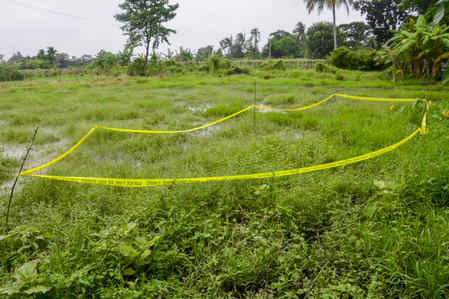
Encounter, originally meaning a meeting or clash, has evolved in India to signify police shootings of suspects, sparking debates on law, accountability, and political discourse. The West Bengal government has assigned the CID to investigate the “encounter” killing of a rape and murder suspect, emphasizing the word’s unique connotation in India.
In the late 1960s, the term took on a new meaning during the rise of Naxalism in West Bengal, becoming ingrained in the lexicon. Encounters, often involving exchanges of fire with activists or criminals, have stirred public approval and legal scrutiny in various states, impacting political careers and revealing instances of staged shootings.
Human rights groups caution against normalizing encounters, as it may undermine due process, shifting focus from investigation and trial to immediate lethal action. Notably, police officer Daya Nayak gained fame as an “encounter specialist” for his crackdowns on Mumbai’s underworld, although his career faced challenges, including corruption allegations and suspension.
Encounter killings, prevalent in cities like Mumbai and Chennai, have been controversial, with critics alleging police involvement in “fake encounters.” The term’s evolution from a neutral meeting to a euphemism for extrajudicial killings reflects broader social and political dynamics, shaping perceptions and practices surrounding law enforcement.
