


European Union leaders have committed to staying alert to any potential overflow from the Middle East conflicts that could lead to migratory pressures on the bloc. Despite the conflicts not immediately resulting in migratory flows towards the EU, leaders emphasized the need to maintain a high level of vigilance and readiness, as highlighted in the conclusions adopted after a European Council meeting.
Drawing from the lessons of the 2015 migration crisis, the EU expressed its readiness to utilize diplomatic, legal, operational, and financial resources fully to prevent migratory movements towards the EU and uphold security in Europe. The conclusions also stressed the continuous reinforcement of security and control of the EU’s external borders.
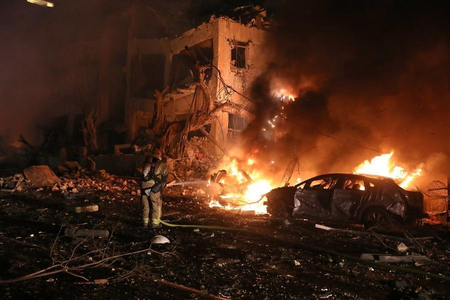
In addition, leaders called for de-escalation and maximum restraint in the Middle East conflict, urging all parties to adhere fully to international law and supporting a moratorium on strikes targeting energy and water facilities. They emphasized the reinforcement of the EU’s maritime presence, advocating for the deployment of additional assets to enhance the existing maritime security operations, EUNAVFOR Aspides, and EUNAVFOR Atalanta.
EUNAVFOR Aspides and EUNAVFOR Atalanta are EU military operations aimed at ensuring maritime security, covering the Red Sea, the Indian Ocean, and the Gulf region. The 2015 migration crisis, stemming from the Syrian war and instability in Afghanistan and Iraq, led to over one million refugees and migrants entering Europe, straining border and asylum systems, triggering emergencies, and exacerbating political divisions within the EU.
During the European Council meeting, UN Secretary-General Antonio Guterres urged the United States and Israel to seek diplomatic solutions to end the conflict with Iran, emphasizing the importance of diplomacy over military actions.
