


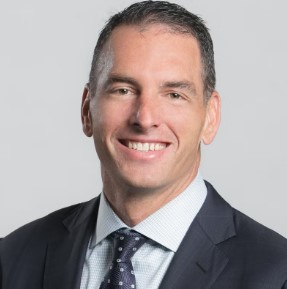
Governments worldwide are urged to prioritize efficient, targeted, and transparent spending to maintain public trust and economic stability, according to policymakers and experts. At a high-level panel discussion, officials emphasized the importance of accountable public spending, citing lessons from recent fiscal crises and reform efforts globally. Michael Faulkender highlighted the need for technological innovation in government systems, pointing out structural weaknesses exposed during the pandemic.
Ecuador’s Finance Minister, Saria Moya, discussed the significance of leadership and communication in implementing politically challenging subsidy reforms. Immediate rollout of compensatory programs was noted to have helped in building trust by reallocating resources effectively. Ethiopia’s Finance Minister, Ahmed Shide, outlined a reform strategy focusing on fiscal discipline and targeted support, with over 60% of government spending directed towards essential sectors like education and health.
IMF Deputy Managing Director, Nigel Clarke, emphasized the inefficiency of broad-based subsidies, advocating for targeted, temporary, and transparent measures. He highlighted the cost-effectiveness of a targeted approach, citing Europe’s energy response in 2022 as an example. The panel also addressed political resistance, with warnings against avoiding necessary reforms that could burden the middle class. Shide defended targeted poverty reduction programs over universal subsidies, emphasizing the need for sustainable poverty reduction through economic growth and strong institutions.
