


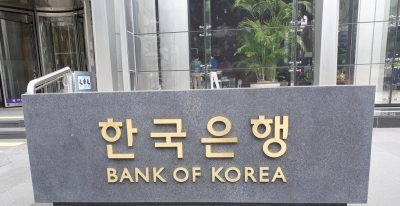
Foreign investors shifted to selling South Korean equities in January, turning into net sellers after a period of gains in the benchmark index, as per data from the Bank of Korea. Offshore investors sold a net $50 million worth of local stocks last month, contrasting with their $1.19 billion net purchase in December. In contrast, foreign investors bought $2.44 billion worth of bonds in January, resulting in a total net inflow of $2.39 billion in local securities, marking the fifth consecutive month of net foreign inflows.
Equity funds experienced a net outflow due to profit-taking following recent gains in domestic stock prices, outweighing expectations of better performance in the semiconductor industry, according to a BOK official. Meanwhile, bond funds saw slower net inflows as investor sentiment weakened amidst rising market interest rates. The benchmark Korea Composite Stock Price Index (KOSPI) surged over 22% in January, reflecting the market dynamics during the period.
The Bank of Korea noted an increase in the daily volatility of the won-dollar exchange rate in January compared to December. The average daily volatility rose to 6.6 won from 5.3 won, attributed to continued overseas investment by local investors and a reduction in target allocation to overseas equities by the National Pension Service. South Korean stocks achieved a milestone by surpassing the 5,500-point mark during midday trading on Thursday, driven by significant gains in blue-chip tech shares like Samsung Electronics and SK hynix.
