


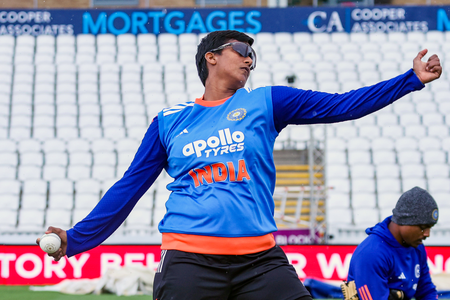
India is relying on a five-bowler strategy for the 2026 ICC Women’s T20 World Cup due to injuries to key players Amanjot Kaur and Kashvee Gautam. Former captain Anjum Chopra stresses the importance of visionary thinking to manage players’ workloads effectively.
Injuries to Amanjot and Kashvee have disrupted the team’s balance, with uncertainties in the bowling lineup. Pooja Vastrakar, another seam-bowling all-rounder, has also faced injury setbacks after training at the BCCI Centre of Excellence.
Anjum highlights the challenges players face when returning from injuries, emphasizing the need for proper management and communication between the Centre of Excellence and team staff. She underscores the importance of understanding players’ needs during recovery phases.
Amanjot’s absence from the T20 World Cup due to a back injury has raised concerns about the fitness and longevity of India’s seam-bowling all-rounders. Anjum advocates for nurturing and protecting valuable players to ensure their well-being and performance on the field.
The cricketing community has been discussing the impact of rushed recoveries and inadequate load management on players’ fitness. Experts suggest that a lack of structured workload management has led to recurring injuries, affecting India’s preparations for the T20 World Cup.
According to sources, the responsibility for player management lies with the team management, who must make informed decisions regarding players’ fitness and workload. The source emphasizes the need for accountability and proper decision-making in handling players’ injuries and recovery.
Anjum expresses concerns about the absence of key players like Amanjot Kaur, stressing the importance of forward-thinking strategies and effective planning in managing player injuries. She calls for a more proactive approach to ensure the well-being and performance of players in crucial tournaments.
