


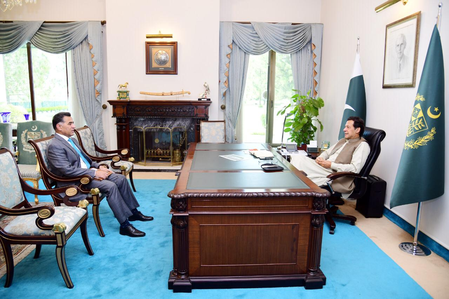
The rise and fall of former Inter-Services Intelligence (ISI) chief, Lt General Faiz Hameed (retd), highlight the structural tensions within Pakistan’s civil-military framework. Hameed’s recent conviction and 14-year sentence signify a shift in the country’s political landscape post the removal of Prime Minister Imran Khan. Pakistan’s history has been marked by a delicate balance between civilian authority and military power, with the military often wielding significant influence over political outcomes.
The sentencing of Lieutenant General (retd.) Faiz Hameed marks a departure from the traditional norm where ousted generals usually retire quietly. The public prosecution and imprisonment of Hameed raise questions about evolving civil-military relations, the boundaries of political engagement for military personnel, and how the establishment enforces conformity following internal tensions. Hameed, once a prominent figure in Pakistan’s security establishment, saw his fortunes change amid political upheaval after Imran Khan’s exit from office.
Hameed’s alleged alignment with Imran Khan’s movement post his arrest led to his association with the narrative of betrayal that emerged during subsequent protests. The sentence imposed on Hameed underscores the military’s emphasis on loyalty to the institution over individual allegiances, as it reshapes its narrative. The case of Faiz Hameed exemplifies the intricate dynamics of Pakistan’s civil-military order, where personal trust, political realignments, and institutional pressures play pivotal roles in shaping individuals’ fates.
