


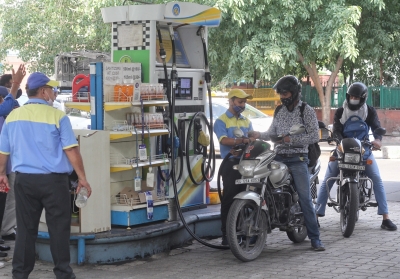
Rising geopolitical tensions related to the Iran conflict may lead to a significant rise in India’s oil import expenses and put pressure on the rupee, as stated by former NITI Aayog CEO Amitabh Kant. Kant highlighted that a $10 increase in global crude oil prices could add $13-14 billion to India’s yearly import bill, widening the current account deficit and weakening the rupee. He stressed the need for India to focus on ensuring the reliable delivery of clean power in its energy transition, alongside expanding renewable capacity.
India’s energy transition must not only involve adding clean capacity but also ensuring the dependable supply of clean power domestically, according to Amitabh Kant. This includes high-PLF solar-wind hybrids, boosting electric vehicle adoption, modernizing grids, deploying large-scale batteries and pumped hydro storage, and incorporating firm low-carbon baseload sources like nuclear energy. Kant emphasized the significance of execution and reliability in India’s energy transformation, underscoring that energy independence is crucial for economic resilience.
India heavily relies on imports for over 85% of its crude oil needs, making the economy highly vulnerable to global price fluctuations, especially during geopolitical disruptions in major oil-producing regions. Despite disruptions in oil flows from the Middle East due to the Iran conflict, India has diversified its oil sources by increasing imports from Africa, Russia, and the US, and bolstered its resilience through strategic reserves. The country currently maintains a comfortable position concerning crude oil, LPG, and LNG, with significant reserve stocks and multiple supply routes ensuring energy security.
