


The global semiconductor revenue surged to $793 billion in 2025, showing a 21% increase from the previous year, as per a report by Gartner. AI semiconductors, such as processors and high-bandwidth memory, played a significant role, constituting almost one-third of total sales in 2025.
Rajeev Rajput, Sr. Principal Analyst at Gartner, mentioned that AI infrastructure spending is projected to exceed $1.3 trillion in 2026, indicating a rising dominance of AI semiconductors. Nvidia outpaced Samsung by $53 billion in 2025, crossing the $100 billion mark in semiconductor sales, securing the top position.
Samsung Electronics maintained its second position with around $73 billion in revenue, driven by memory sales that rose by 13%. SK Hynix climbed to the third spot with approximately $61 billion, fueled by the soaring demand for High-Bandwidth Memory (HBM) in AI servers, according to the report.
Intel’s market share decreased to about 6%, half of its 2021 level, amidst the growing demand for AI processors, HBM, and networking chips due to the expansion of AI infrastructure. In 2025, HBM accounted for 23% of the DRAM market, surpassing $30 billion in sales, while AI processors exceeded $200 billion in sales. The report forecasts that AI semiconductors could make up over 50% of total semiconductor sales by 2029.
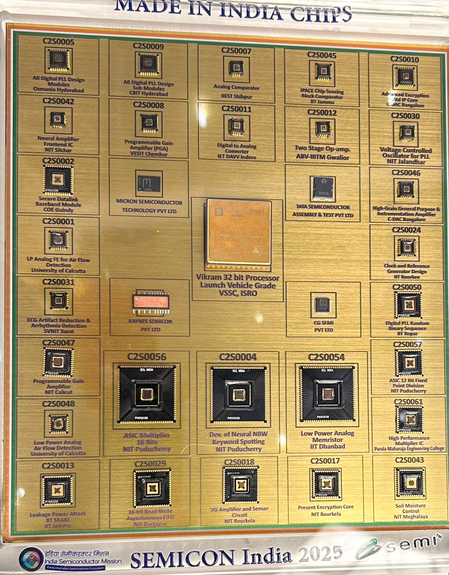
A recent report highlighted the rapid growth in electronics and semiconductors, projecting India’s semiconductor demand to rise from $33 billion in 2022 to $117 billion by 2030. Tier-2 and Tier-3 cities are becoming attractive investment destinations for technology companies and talent pools, with semiconductor and advanced manufacturing projects driving local economies.
The government’s Rs 7,280 crore scheme for Sintered Rare Earth Permanent Magnets (REPM) is expected to bolster India’s broader semiconductor manufacturing ambitions by ensuring secure access to critical materials.
