


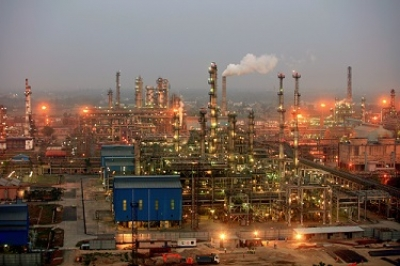
The government confirmed that there is an ample supply of all petroleum products despite the West Asia crisis, with India holding significant reserves. The country, being a major player in oil refining and export, is meeting both local and global demands effectively. The Informal Group of Ministers (IGoM) on West Asia, led by Defence Minister Rajnath Singh, discussed strategies to maintain stability amidst the ongoing conflict.
For the upcoming kharif season in 2026, the fertilizer requirement has been estimated at 390.54 LMT, with current stock levels exceeding 51 percent of this demand. The meeting highlighted the need to monitor the conflict closely and ensure minimal impact on the population. It was emphasized that India’s petroleum supply remains secure, contrasting with emergency measures taken by other nations to curb consumption.
The government stressed the importance of fuel conservation to alleviate the financial strain caused by soaring international crude prices. Prime Minister Narendra Modi urged citizens to contribute collectively in managing economic disruptions and price hikes. Despite global price surges, India has maintained stable petroleum prices, shielding its citizens from significant cost escalations.
Amidst the crisis, India’s oil marketing companies have absorbed substantial losses to prevent passing on the burden to consumers. The government assured the public of surplus essential commodities and urged against panic buying or hoarding. PM Modi advocated for reduced fuel consumption, emphasizing public transport usage and sustainable practices to mitigate the crisis’s impact.
Ministries and states were urged to collaborate on promoting fuel efficiency and responsible consumption behavior. The meeting, attended by key ministers, focused on ensuring adequate supply management and long-term capacity building. The government’s proactive measures aim to safeguard against prolonged crisis effects and maintain stability in essential commodity availability.
