


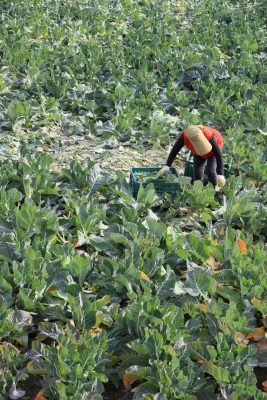
Agriculture Minister Song Mi-ryung affirmed the government’s commitment to maintaining stable supplies of essential agricultural inputs amidst the ongoing Middle East crisis. Emphasizing the availability of key agricultural goods like fertilizers and agricultural films crucial for the spring planting season, Song assured that adequate supplies have been secured. To support farmers, the agricultural ministry will promptly utilize a supplementary budget of 377.5 billion won (US$256 million) to enhance assistance for purchasing diesel products for farm machinery.
Efforts are underway to revamp Nonghyup, South Korea’s agricultural cooperation and banking group, with a focus on enhancing governance and reinstating checks-and-balances within the organization. This initiative follows a series of corruption scandals involving Nonghyup, including allegations of embezzlement of public funds and accounting fraud. As part of the reform plan, a new audit committee will be established to oversee the group’s operations and ensure transparency.
In response to the economic challenges posed by the Middle East crisis, the government has initiated cash aid for recipients of basic livelihood security and other vulnerable groups. The financial support, aimed at alleviating the impact of rising oil prices, includes 550,000 won (US$372) for basic livelihood security recipients and 450,000 won per person for single-parent households and those slightly above the welfare eligibility threshold. Additional assistance of 50,000 won will be provided to recipients residing outside Seoul or in areas experiencing population decline.
Applications for the financial aid will be accepted until May 8, with beneficiaries having the option to receive assistance through credit and debit cards, prepaid cards, or local currency vouchers. The funds, valid until Aug. 31, can only be utilized at small businesses with annual sales of 3 billion won or less, or establishments accepting local currency vouchers.
