


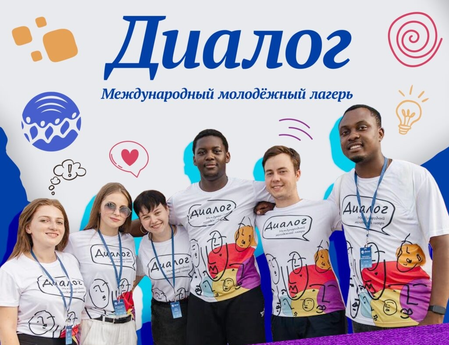
Growing cultural ties between Russia, India, and African nations are increasingly vital in modern diplomacy, focusing on people-to-people interactions, academic collaboration, and shared values. According to a piece in Modern Diplomacy, cultural diplomacy is now a key tool in enhancing trilateral cooperation among these regions.
A recent cultural dialogue event in Moscow brought together diplomats, academics, students, and African community representatives to explore deeper partnerships in education, culture, and humanitarian efforts. This event showcased how soft-power interactions are complementing traditional economic and strategic alliances between Russia, India, and Africa.
Discussions at the event centered on the importance of preserving cultural heritage, expanding educational exchanges, and involving youth in global dialogues. Participants emphasized that culture and education play crucial roles in fostering long-term trust during a period of significant global transformation.
The article highlighted the historical connections between India and Africa, as well as Russia’s growing presence in Africa, as a foundation for broader cultural collaboration. India’s ties with Africa are rooted in shared anti-colonial experiences and trade, while Russia is expanding its connections through academic programs, media outreach, and cultural projects.
The focus on cultural diplomacy comes amidst broader geopolitical shifts involving BRICS and the Global South. India and Russia are strengthening their strategic ties through multilateral platforms, while African nations are seeking diverse partnerships beyond traditional Western alliances. The emphasis on multipolar cooperation and South-South engagement has been underscored in recent BRICS meetings and diplomatic endeavors.
Experts suggest that educational institutions, language programs, literary exchanges, and youth platforms can enhance sustainable cooperation. Such initiatives are seen as fostering mutual understanding and creating opportunities in technology, innovation, tourism, and the creative sector.
The article also noted the trend of “multi-alignment” strategies adopted by countries like India, fostering partnerships across various geopolitical blocs simultaneously. This strategy has paved the way for collaboration with African nations in development, trade, and cultural exchange, among other areas.
Highlighting the enduring nature of humanitarian and cultural ties, the article pointed out that these connections can offer stability amid international uncertainties. Such initiatives are believed to establish a more inclusive framework for global cooperation based on shared human values and intercultural dialogue.
The renewed focus on cultural engagement among Russia, India, and Africa signifies a broader effort by emerging and developing nations to reshape international cooperation through educational, artistic, and civilizational partnerships, while amplifying the Global South’s voice in global affairs.
