


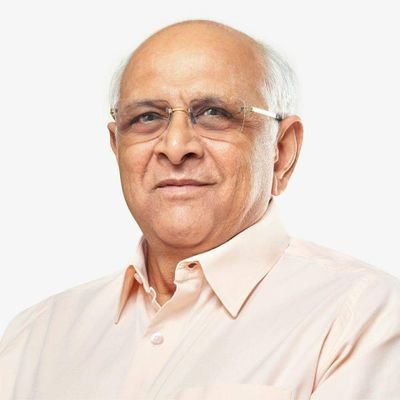
The Gujarat Legislative Assembly approved the Uniform Civil Code (UCC) Bill 2026, establishing a unified legal framework for civil issues like marriage, divorce, maintenance, and inheritance across different communities and faiths. Deputy Chief Minister Harsh Sanghavi hailed this move as a significant milestone achieved under Chief Minister Bhupendra Patel’s leadership. The legislation aims to ensure equality under the law and address disparities stemming from religion-based personal laws.
The UCC applies solely to civil matters and does not infringe upon religious beliefs or practices, as emphasized by the state government. Deputy Chief Minister Sanghavi highlighted the historical disparity in civil rights concerning marriage, divorce, and property across religions in India. The Bill aims to eliminate these differences and implement a uniform system for all citizens.
Compulsory registration of marriages and divorces, uniform grounds and procedures for divorce, and the prohibition of extrajudicial divorces are key provisions of the legislation. It also enforces monogamy, introduces penalties for fraudulent marriages, and ensures maintenance and inheritance rights for women without restrictions based on personal laws.
The Bill mandates the registration of live-in relationships with local authorities to provide legal protection and accountability. Scheduled Tribes are exempt from the Code’s provisions to safeguard their customs and traditions related to marriage, divorce, and inheritance. The government’s decision is based on feedback from a public consultation process, with a majority supporting uniform provisions in civil matters.
Gujarat joins other states like Uttarakhand in moving towards a Uniform Civil Code, while Goa already operates under a common civil law framework. The legislation will come into effect following the necessary legal procedures.
