


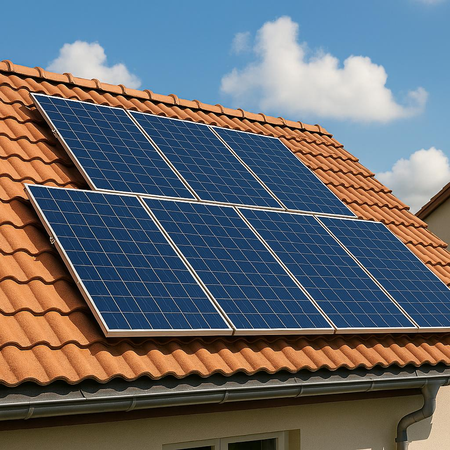
A vast area of solar panels is rapidly transforming Gujarat’s Rann of Kutch into a major renewable energy hub. The Khavda solar park, spanning nearly 280 square miles near the India-Pakistan border, is set to become the world’s largest solar power project by 2029. Once operational, the site will accommodate around 60 million solar panels and produce 30 gigawatts of electricity, equivalent to powering a country the size of Austria.
India’s focus on solar energy is evident through this massive project. The country’s solar capacity has been expanding at approximately 40 percent annually and surpassed 150 gigawatts in March. By 2030, India aims to double this capacity as part of its efforts to meet rising electricity demands while reducing dependence on fossil fuels. Analysts predict that India could lead as the first major economy to industrialize primarily using solar energy rather than coal.
India’s transition towards solar power signifies a significant shift from its previous reliance on coal. Just a decade ago, solar energy played a minimal role in India’s energy mix, with a strong government emphasis on coal production for industrial growth. However, declining solar panel costs and India’s sunny climate have reshaped the country’s energy strategy. Following the COP26 climate summit in Glasgow, the pace of solar installations in India has notably quickened.
With non-fossil fuel sources accounting for over half of India’s installed power generation capacity for the first time last year, the country is making substantial progress in renewable energy adoption. The International Energy Agency (IEA) projects that nearly 50% of India’s additional electricity demand until 2030 will be met through solar energy, with an additional 25% coming from other low-carbon sources like wind, hydroelectric, and nuclear power.
