


Healthcare industry leaders and experts are calling on the government to boost public healthcare spending in the upcoming Union Budget 2026-27. The Association of Healthcare Providers – India (AHPI) emphasized that current public health expenditure falls short of the National Health Policy target of 2.5% of GDP and lags behind similar developing economies. India’s healthcare system is under strain due to both communicable and non-communicable diseases, along with a growing demand for specialized, preventive, and long-term care services.
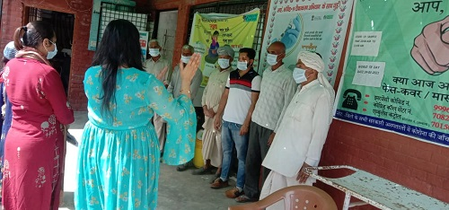
The AHPI stressed the importance of enhancing healthcare delivery in rural, semi-urban, and underserved areas in the Budget 2026-27 to achieve universal health coverage. Dr. Girdhar Gyani, Director General of AHPI, highlighted the need for increased healthcare funding to establish high-quality and inclusive care nationwide. He emphasized the importance of expanding infrastructure, bolstering the healthcare workforce, and ensuring equitable access to services, particularly in tier 2 and tier 3 cities.
Dr. Sunil K Khetarpal, Deputy Director General of AHPI, emphasized the need for accelerated investments in technology-driven care, quality assurance, and hospital capacity-building in the upcoming budget. Sudarshan Jain, Secretary General of the Indian Pharmaceutical Alliance, sees the Union Budget 2026 as a crucial opportunity to strengthen India’s position in innovation, manufacturing, and global healthcare accessibility.
Jain called for a rise in government healthcare spending to reach the National Health Policy 2017 target of 2.5% of GDP by 2026-27 to enhance the overall healthcare ecosystem. He also recommended supporting research and development, innovation incentives, and simplifying compliance and regulatory frameworks. Ameera Shah, President of NATHEALTH, urged for the enhancement of prevention-led, resilient healthcare systems in the upcoming budget. Shah proposed measures like long-term affordable financing for healthcare infrastructure, creating a fund for non-communicable diseases, and expanding access to quality diagnostics through accredited laboratories.
