


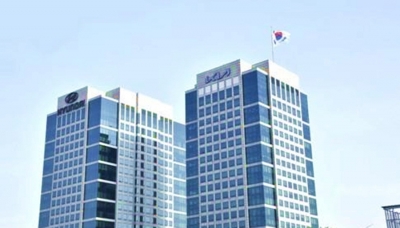
Hyundai Motor, South Korea’s largest automaker, announced a marginal 0.1% drop in global sales for 2025 compared to the previous year, totaling 4,138,180 vehicles. While domestic sales saw a 1.1% increase to 712,954 units, overseas sales dipped by 0.3% to 3,425,226 units. The company attributed this decline to reduced overseas demand, potentially influenced by US import tariffs.
The automaker highlighted its efforts to diversify its product range by introducing new models like the Palisade SUV and the all-electric Ioniq 9 SUV in various markets. Despite facing challenges such as US import tariffs, Hyundai aimed for a global sales target of 4,158,300 vehicles for 2026, with plans to expand its eco-friendly vehicle lineup and adapt to market dynamics.
In a similar vein, Kia, Hyundai’s affiliate and South Korea’s second-largest automaker, experienced a 2% growth in sales in 2025, driven by strong demand for its SUV models. Kia sold 3,135,803 vehicles during the year, marking an increase from the previous year’s 3,089,300 units. The company noted a 1% rise in domestic sales and a 2% increase in overseas sales, with the Sportage and Seltos SUVs contributing significantly to its international sales performance.
