


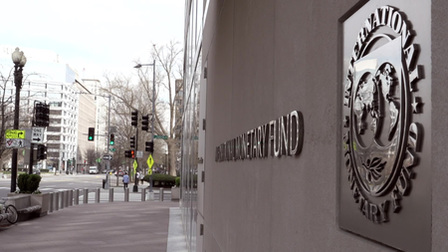
Governments are advised by the IMF to avoid extensive energy subsidies and instead opt for targeted, temporary support measures amidst the current global supply shock from the Middle East conflict. IMF Chief Economist Pierre-Olivier Gourinchas emphasized the need for measured fiscal responses due to rising inflation and limited policy space. He expressed concerns over the potential negative impacts of government subsidies and price caps, cautioning that such actions could have adverse effects if not carefully planned.
The IMF highlighted the constraints on fiscal resources following repeated interventions in recent years, including those during the Covid-19 pandemic and previous energy crises. Gourinchas stressed the challenges governments face in rebuilding buffers while managing new shocks, citing past interventions that were costly and largely financed through deficits and increasing debt.
Gourinchas warned against excessive spending, noting that it could lead to financial market instability, nervous markets, rising interest rates, and financial turbulence. The IMF advocates for a targeted and temporary approach, focusing support on vulnerable groups and designing measures that automatically phase out over time.
Amid concerns about rising inflation, Gourinchas emphasized the need for coordinated fiscal and monetary policies. He pointed out that excessive fiscal stimulus could exacerbate inflation pressures, complicating central banks’ efforts to maintain price stability. The current supply shock, according to Gourinchas, requires a reduction in demand to align with available supply, cautioning against measures that artificially maintain prices without addressing the underlying imbalance.
Countries considering or implementing policies to shield consumers from escalating fuel and energy costs post disruptions related to the Middle East conflict are cautioned by the IMF. While such measures may be politically necessary in the short term, they could contribute to already high public debt levels and pose risks to financial stability if prolonged.
