


India saw a 25% year-on-year increase in renewable energy capacity, adding 30.6 GW in the first half of 2026. Solar power dominated the new installations, accounting for 26.34 GW added between January and June, reflecting a robust 43% growth. The country’s total renewable energy capacity, including large hydro, reached 288 GW by June 30, making up 52% of the overall installed power generation capacity.
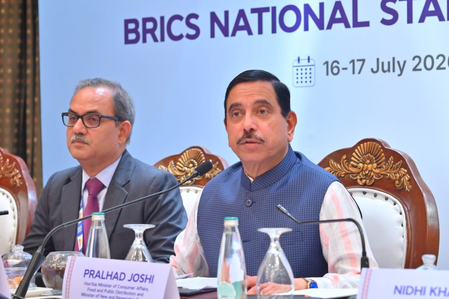
India’s renewable energy mix was led by solar energy with an installed capacity of 162 GW, while wind power capacity stood at 57 GW. The Union Minister for New and Renewable Energy, Pralhad Joshi, praised Prime Minister Narendra Modi’s leadership for driving India’s clean energy journey forward. The minister highlighted that in the first half of 2026, India achieved a significant milestone by adding 30,581.31 MW of renewable energy capacity, marking a remarkable 25% growth compared to the same period last year.
India’s renewable energy sector showed strong growth in 2025, with annual capacity additions increasing by nearly 60%, the fastest among major global markets, as reported by the International Energy Agency (IEA). The IEA noted that India added almost 50 GW of solar photovoltaic (PV) capacity in 2025, double the previous year’s level, while wind energy additions also doubled, surpassing 6 GW.
Despite these achievements, offshore wind projects in India faced challenges such as cancellations and delays. The global offshore wind industry, including India, encountered obstacles like policy changes in the United States and supply chain issues in Europe and Japan. India’s renewable energy capacity expansion continued amidst operational challenges in the power grid due to increased variable renewable energy penetration.
