


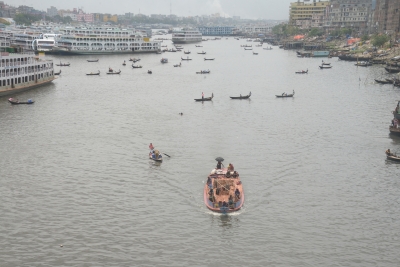
India and Bangladesh have a well-established bilateral mechanism for addressing issues related to shared rivers, including the Ganges Water Sharing Treaty, as confirmed by the Ministry of External Affairs (MEA). The MEA spokesperson, Randhir Jaiswal, highlighted the joint rivers commission that handles matters concerning the 54 rivers shared between the two countries. This structured collaboration aims to resolve disputes and ensure effective management of river resources.
Responding to recent comments by Bangladesh Nationalist Party (BNP) Secretary General Mirza Fakhrul Islam Alamgir, the MEA emphasized the significance of the existing cooperation frameworks between the two nations. Alamgir had stressed that the future of the strong ties between Bangladesh and India depends on renewing the Ganges water-sharing agreement, also known as the Farakka Treaty, which is scheduled to expire in December 2026. The current treaty, signed in 1996, has played a crucial role in providing a framework for sharing Ganga waters during the dry season.
The Ganges Water Sharing Treaty, a diplomatic milestone between India and Bangladesh, has been instrumental in managing water allocations during critical periods. However, challenges have emerged in its implementation due to various factors such as climate change, glacial retreat, and water usage in Indian states. These issues have led to tensions over water allocations, with Bangladesh expressing concerns about receiving a fair share, particularly during drought years. As the treaty approaches its expiration later this year, the focus is on the potential renewal and its implications for bilateral engagement between India and Bangladesh.
