


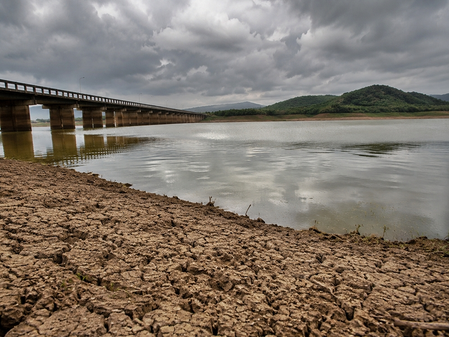
India is bracing for the potential impact of an El Nino event, which scientists warn could escalate into a very strong or “super” episode by late 2026 or early 2027. This phenomenon is expected to result in below-normal monsoon rainfall from July to September, posing challenges for central and western rain-fed regions and putting pressure on hydropower generation and electricity grids.
El Nino is characterized by abnormal warming of surface waters in the central and eastern tropical Pacific Ocean, disrupting global weather patterns. It occurs when sea surface temperatures in these regions rise at least 0.5 degrees Celsius above average for five consecutive overlapping three-month seasons, accompanied by changes in tropical rainfall patterns.
A “super” El Nino denotes an exceptionally strong event, typically with sea surface temperature anomalies exceeding 2 degrees Celsius in the reference Nino region. The 2026 event is anticipated to be among the most potent on record, with potential widespread global impacts.
The India Meteorological Department (IMD) has forecast below-normal rainfall across the country this month, estimating it to be less than 94% of the Long Period Average (LPA). Regionally, most parts of India are likely to experience below-normal rainfall, except for specific areas where normal to above-normal rainfall is expected.
Maximum temperatures in India are forecasted to be above normal in most regions this month, with a few isolated areas being exceptions. Similarly, minimum temperatures are expected to remain above normal in most regions, except for some isolated pockets in central and northeast India.
A recent report by the Centre for Research on Energy and Clean Air (CREA) highlighted that India’s power sector could face significant challenges due to El Nino. Rising temperatures and weaker monsoon rainfall may strain the country’s electricity system, necessitating proactive measures.
In response to the potential impact of El Nino, a high-level review meeting chaired by Principal Secretary to the Prime Minister P.K. Mishra assessed the readiness for the kharif season and the implications on various sectors of the economy. Continuous monitoring of the El Nino situation and assessing the impact on vulnerable districts were emphasized to enable timely remedial actions.
July holds critical importance for kharif sowing and reservoir recharge, particularly in rain-fed regions facing heightened risks. States like Madhya Pradesh, Maharashtra, Chhattisgarh, parts of Gujarat, and adjoining Deccan districts are closely monitored, along with Uttar Pradesh, Rajasthan, Karnataka, Bihar, Jharkhand, Telangana, Andhra Pradesh, Punjab, West Bengal, and Odisha.
Agriculture Minister Shivraj Singh Chouhan highlighted the government’s vigilant monitoring of the potential impact of El Nino and the implementation of an extensive monitoring mechanism. He expressed optimism that rainfall would intensify in July, accelerating kharif sowing activities.
Chouhan noted a reduction in the overall rainfall deficit from 33% in June to 24% in July, following good rainfall in various parts of the country. The number of rainfall-deficient districts decreased from 262 to 178, indicating some improvement in the situation.
Given reduced rainfall and weaker winds, hydropower and wind power generation may decline, while higher temperatures could elevate electricity demand for cooling purposes. Chouhan stressed the importance of activating contingency plans at the district level, considering local conditions, water availability, crop patterns, sowing progress, rainfall intervals, and other district-specific risks.
The Indian National Centre for Ocean Information Services (INCOIS) has started issuing specialized El Nino bulletins to highlight the anticipated impact on maritime sectors. The El Nino event is projected to peak between November 2026 and January 2027, leading to above-normal sea surface temperatures in the Indian Ocean until April-May 2027.
The marine ecosystem in the northern Indian Ocean, encompassing the Arabian Sea and the Bay of Bengal, may face thermal stress in the coming months, particularly between March and May 2027. This stress could result in coral bleaching, more frequent marine heatwaves, and reduced catches of fish species like sardine and mackerel due to migration or lower recruitment.
INCOIS also cautioned about rough conditions in the Bay of Bengal during the monsoon season, posing an increased risk of coastal erosion and flooding along India’s east coast.
