


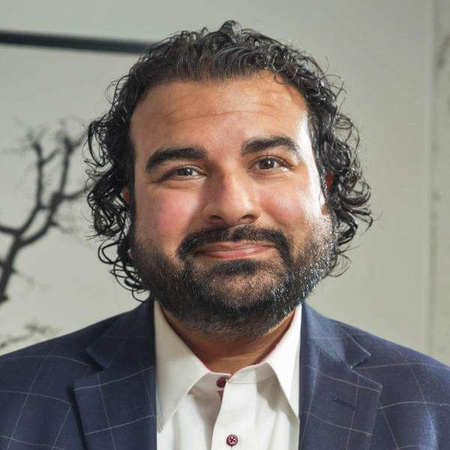
India-US relations are currently in a phase of “tactical stabilisation,” according to Basant Sanghera, a former White House and State Department India expert. Despite recent advancements in trade and civil nuclear cooperation, there remains a lingering strategic mistrust between the two nations. Sanghera highlighted the significance of Secretary of State Marco Rubio’s recent visit to India but noted that it may not lead to a substantial long-term shift in the relationship.
Sanghera, who now serves as the Managing Principal at The Asia Group, emphasized the impact of the absence of a Quad leaders’ summit on the momentum within the grouping. He mentioned that without a leader-level summit, tangible cooperation within the Quad could be affected. Sanghera acknowledged that while the Quad would persist, the level of ambition might decrease without the attention of top leaders.
Despite concerns about the trajectory of the relationship, Sanghera commended both governments for achieving certain milestones. He specifically mentioned the finalization of an initial joint statement on a trade deal in the last six months as a significant achievement. Sanghera also highlighted India’s enactment of the Shanti Act, which he described as a breakthrough in operationalizing aspects of the US-India civil nuclear partnership.
Sanghera pointed out that various disputes and disagreements, including trade issues, tariffs, and regional matters related to Pakistan, have posed challenges to the relationship. He also noted that domestic political debates in India have influenced the dynamics of the US-India ties. Sanghera expressed that the relationship between the US and Pakistan does not indicate a broader strategic realignment, citing persistent concerns such as Pakistan’s strategic missile program and long-range missile capabilities.
India and the United States have significantly enhanced cooperation over the past twenty years in defense, technology, energy, and the Indo-Pacific region. This relationship has garnered bipartisan support in Washington and has become a key element of US involvement in Asia.
