


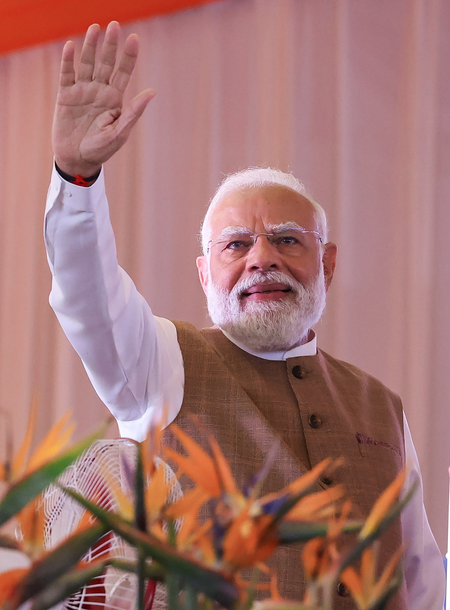
India’s Ambassador in Amsterdam, Kumar Tuhin, emphasized the significance of the Netherlands as a key trading partner and a gateway to Europe for India. Prime Minister Narendra Modi’s upcoming visit to the Netherlands is expected to cover various aspects of bilateral relations, including trade, technology, education, health, and maritime cooperation.
During the visit, discussions are anticipated to encompass a wide range of sectors such as trade, investment, technology, education, and maritime cooperation. Specific agreements or Memorandums of Understanding (MoUs) to be signed will be determined based on the leaders’ dialogues and interactions.
The partnership between India and the Netherlands holds strategic importance in trade, technology, semiconductors, and clean energy. With the potential implementation of the India–EU Free Trade Agreement, the Netherlands’ role as a gateway to Europe is set to become more pronounced.
The visit aims to strengthen investment opportunities between the two countries, building upon the existing strong trade and investment ties. Dutch companies can contribute significantly to India’s manufacturing and green energy ambitions, leveraging their technological expertise and complementing India’s market size.
The Indian diaspora in the Netherlands plays a crucial role in enhancing bilateral ties, acting as a bridge between the two nations through their professional contributions, cultural exchanges, and promotion of Indian heritage. Discussions during the visit are expected to cover areas like education, innovation, and student exchange programs.
Cooperation in the health sector between India and the Netherlands is a key focus, with ongoing collaborations in pharmaceuticals and healthcare. The visit is likely to further enhance partnerships in healthcare innovation, pharmaceuticals, and professional exchanges between the two countries.
Discussions on energy cooperation, particularly in light of tensions in West Asia, are anticipated during the visit. Both India and the Netherlands, as energy-importing countries, are likely to address global energy security concerns and developments in the Gulf region.
