


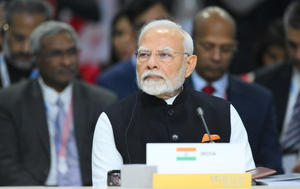
India’s adeptness in managing relationships with various actors, even those in competition, is seen as a significant diplomatic asset. This capability positions India as a bridge between BRICS and the US, especially considering the previous US administration’s skepticism towards BRICS. The South African newspaper ‘The Citizen’ emphasized the potential impact of India’s ties with Israel on the unity of BRICS nations.
The recent conflict involving Iran has not only revealed the limitations of the US-Israel alliance’s military dominance but also underscored the challenges that major geopolitical crises pose to the emerging multipolar world order. The report highlighted the clash between Donald Trump’s assertive global policies and the response from Iran, which defied expectations and retaliated fiercely, showcasing the complexities of international relations.
Despite concerns that India’s stance on Israel could strain BRICS cohesion, the report noted that India has historically pursued a policy of strategic autonomy, avoiding strict alignment with any particular geopolitical bloc. India’s foreign policy has been characterized by a delicate balance, engaging with diverse blocs while safeguarding its national interests. In the Middle East, India maintains robust partnerships with Israel in defense, agriculture, and innovation, alongside significant economic and energy connections with the Arab world and Iran.
India’s nuanced approach to international relations has been portrayed as a reflection of its pragmatic global role. Contrary to fears of undermining BRICS unity, India’s position is seen as a testament to the evolving dynamics of multipolar diplomacy. The report highlighted India’s friendly ties with Iran, despite its close relations with Israel, showcasing India’s ability to navigate complex geopolitical landscapes.
