


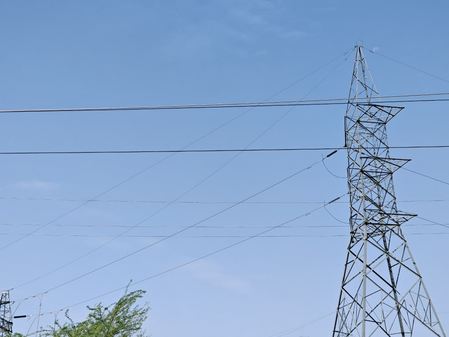
India experienced a notable decline in peak power demand, dropping to 241 gigawatts (GW) from 270.8 GW in May and below the 259 GW peak, according to data from the Grid Controller of India.
The decrease in power demand was attributed to seasonal rains that led to lower temperatures in various parts of the country, resulting in reduced usage of air conditioners and cooling appliances.
On June 16, peak demand reached 249.7 GW during solar hours and 247.5 GW during non-solar hours, as indicated by multiple reports. Coal-fired generation accounted for 68% of India’s electricity output, with solar and hydro contributing 19% and 7%, respectively.
The drop in demand has also led to a decrease in electricity prices in the power market. The average spot price on the Indian Energy Exchange in mid-June was Rs 3.6 per kilowatt-hour (kWh), marking an 18% decrease from the previous year.
Real-time market prices fell to Rs 4.5 per kWh on June 16 from Rs 6.5 per kWh on May 21, a day when power demand reached record highs, according to exchange data. India’s peak power demand on June 16, 2026, at 241 GW, was higher than the peak demand of 217 GW on the same day in 2025.
Electricity demand in India typically peaks during the months of May and June due to summer heat, leading to increased use of cooling appliances by households and businesses. The annual monsoon season usually reduces consumption by lowering temperatures and boosts hydropower generation in certain regions.
A recent report highlighted that India’s power sector is poised to benefit from a capex opportunity of Rs 65–70, supported by robust policy measures. The report also mentioned the potential tripling of electricity demand, driven by emerging consumption trends such as electric vehicles and data centers.
