


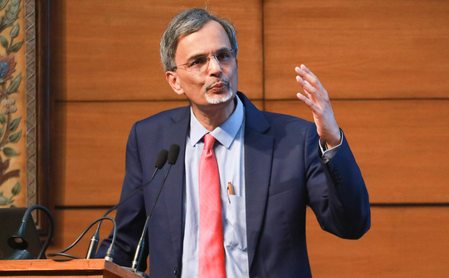
India’s Chief Economic Advisor, V. Anantha Nageswaran, warned that India’s remittance inflows could face challenges due to ongoing economic disruptions in the Gulf region, potentially leading to losses of up to $10 billion. Nageswaran emphasized the impact of geopolitical tensions and economic slowdowns on remittance flows during the US-India Economic Forum 2026.
In the fiscal year 2024–25, India received approximately $124 billion in remittances, with around half originating from Indian workers in the Gulf region. The prolonged economic recovery in host countries may affect remittances, with potential losses estimated between $5 billion to $10 billion based on the duration and severity of the disruption.
The vulnerability of remittance flows arises from various factors, including the potential return of workers due to conflicts, sluggish economic activities in host nations, and uncertainties surrounding employment conditions. Sectors like construction, services, and energy heavily rely on Indian migrant workers in the Gulf region, making them susceptible to earnings reduction and delayed job resumptions.
Despite the concerns, Nageswaran highlighted India’s resilient external sector, backed by robust foreign exchange reserves and diversified inflows. He acknowledged remittances as one of the primary channels through which external shocks could impact India’s economy, amidst global uncertainties affecting trade, energy markets, and capital flows.
India, boasting the world’s largest diaspora population, heavily depends on remittances from its overseas workforce, particularly from the Gulf Cooperation Council countries. The region’s significance underscores the critical role it plays in sustaining India’s remittance flows.
