


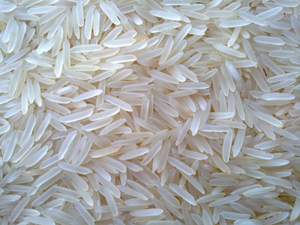
India witnessed a significant 19.4% increase in rice exports last year, marking the second-highest level on record following the removal of export restrictions by the government. This move enhanced India’s competitiveness in global markets, solidifying its position as the world’s top rice exporter.
The resurgence of Indian rice in international markets resulted in a consistent supply flow, leading to a decline in exports from competitors like Thailand and Vietnam. This surplus availability drove rice prices in Asia to their lowest point in almost ten years, offering relief to economically disadvantaged consumers, particularly in Africa and other rice-importing regions.
India’s expanding role in the global rice trade is evident in its shift towards value-added and nutrition-focused exports. Notably, the Agricultural and Processed Food Products Export Development Authority (APEDA) recently facilitated the export of 20 metric tonnes of fortified rice from Chhattisgarh to Papua New Guinea, showcasing India’s commitment to diversifying agricultural exports and penetrating new markets.
The fortified rice, enriched with essential micronutrients like iron and folic acid, underscores India’s expertise in food fortification and its dedication to global food security. Chhattisgarh’s significant contributions to India’s rice exports highlight its support for farmers, millers, and exporters, with the successful shipment to Papua New Guinea emphasizing the state’s role in nutrition-oriented food supplies and India’s aspiration to be a trusted provider of safe, high-quality agricultural products.
APEDA officials emphasized their ongoing focus on quality assurance, capacity building, and market connections to further enhance India’s position in global agricultural trade.
