


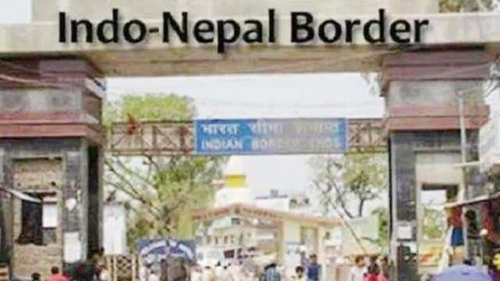
India’s significance in Nepal’s advancement is set to grow crucial as Nepal gears up to exit its least developed country (LDC) status by November 2026, as per a recent report. The completion of connectivity projects and the implementation of the Long Term Power Trade Agreement are expected to help Nepal reduce its trade deficit with India. Nepal’s focus on enhancing manufacturing capabilities and increasing exports is key for a smooth transition out of the LDC category, with energy and infrastructure cooperation with India playing a pivotal role.
The report highlights a shift in the bilateral partnership towards a more advanced, technology-driven model, emphasizing digital integration and energy collaboration. A 25-year power trade deal signed in 2024 aims for Nepal to export 10,000 megawatts to India over the next decade, with both countries upgrading transmission systems to support this. India’s involvement in facilitating power transmission to Bangladesh through Nepal under a trilateral agreement is also noted, with plans for a high-capacity transmission line crucial for meeting energy demands.
Collaboration between India, Japan, and European nations can further support development investments in Nepal, creating a mutually beneficial growth-oriented partnership. However, challenges such as regulatory delays, financing gaps, and implementation issues are hindering progress, including delays in cross-border transmission line projects and hydropower agreements. Indian companies’ involvement in Nepali hydropower projects faces obstacles like seismic risks, bureaucratic delays, and community resistance to resettlement and compensation efforts.
