


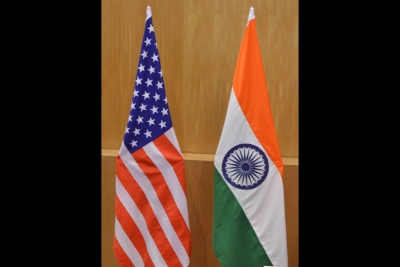
India’s recent interim trade agreement with the United States has led to a reduction in US tariffs, showcasing New Delhi’s strategic autonomy in making decisions that benefit the nation. This move, seen globally as prioritizing national interest without yielding to external pressure, aligns with India’s history of strategic autonomy, as highlighted by External Affairs Minister S Jaishankar.
During the Munich Security Conference on February 14, Jaishankar emphasized India’s commitment to strategic autonomy, emphasizing that energy decisions are based on factors like availability, costs, and risks, rather than political influences. The reduction in Russian oil imports below 25% in early 2026, along with minimal Iranian flows, is a result of pragmatic assessments rather than external coercion.
Jaishankar’s stance contradicts US claims of pushing India to cease Russian oil purchases, emphasizing India’s independent decision-making process. With US tariffs on Indian goods set to decrease to 18%, a more favorable rate compared to competitors like Pakistan and Vietnam, key export sectors such as textiles, pharmaceuticals, and electronics are expected to benefit, stabilizing supply chains and safeguarding jobs.
Experts note that while Trump-era deals lack clarity on timelines and legal aspects, India’s recent free trade agreement with the European Union, followed by the US agreement, showcases India’s strategic autonomy and diversified partnerships. By balancing US concessions with EU ties and energy diversification, India aims to secure an affordable and reliable oil supply for its population while managing risks effectively.
