


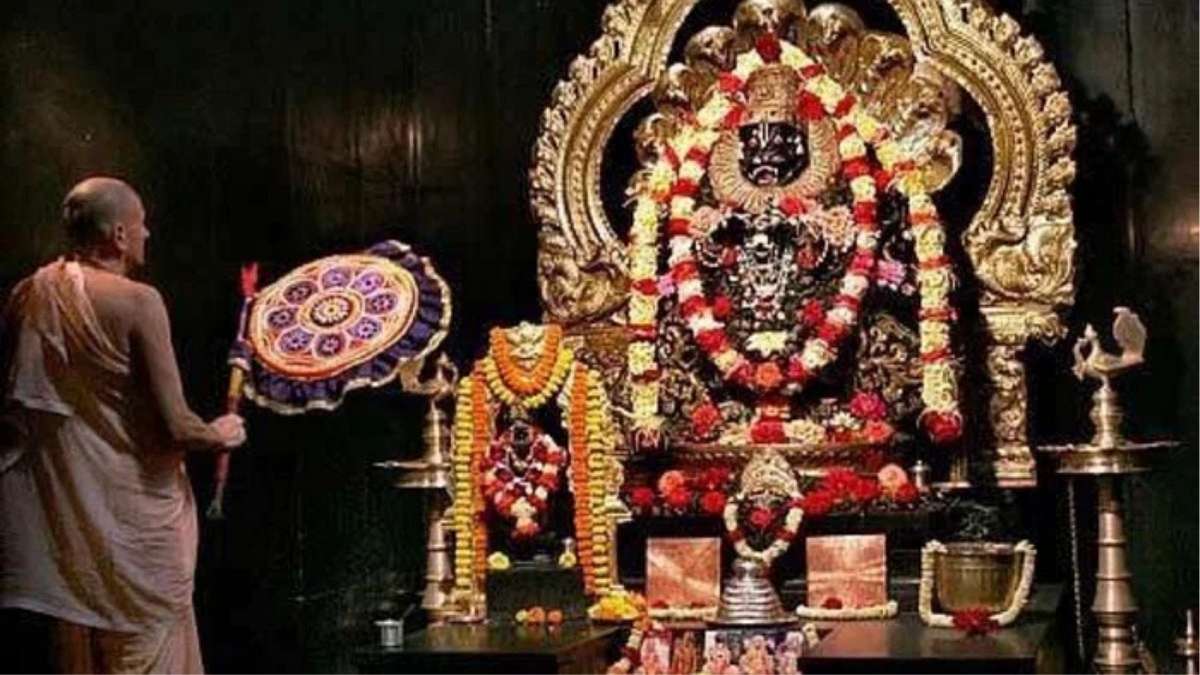
Every year on the Chaturdashi of Shukla Paksha in the month of Vaishakh, the Hindu calendar marks one of its most powerful and emotionally resonant celebrations — Narasimha Jayanti. This is the day Lord Vishnu descended as Narasimha, the half-man, half-lion avatar, to protect his devotee Prahlada from the tyranny of Hiranyakashipu. It is not just a mythological event — it is a reminder, observed with devotion across generations, that divine protection arrives in ways no human logic can anticipate or contain.
For the Indian diaspora abroad, where many families continue to observe fasts, recite mantras, and read the katha even without a nearby temple, Narasimha Jayanti holds a particular kind of intimacy. The story of a child whose faith held steady under impossible pressure — that speaks to anyone who has ever felt outnumbered by circumstance.
Narasimha Jayanti falls on Vaishakh Shukla Chaturdashi and commemorates Lord Vishnu’s Narasimha avatar — half-man, half-lion — who emerged from a pillar to protect the child-devotee Prahlada from his own father, the tyrant Hiranyakashipu.
In this Article
Narasimha Mahamantra — सुरक्षा और अभय के लिए
Mantra in Hindi (Sanskrit)
ॐ उग्रं वीरं महाविष्णुं ज्वलन्तं सर्वतोमुखम्। नृसिंहं भीषणं भद्रं मृत्युमृत्युं नमाम्यहम्॥
Mantra in Hinglish (Transliteration)
Om Ugram Veeram Mahavishnum Jvalantam Sarvatomukham। Nrisimham Bheeshanam Bhadram Mrityumrityum Namamyaham॥
Meaning and Significance
This mantra is among the most potent protective invocations in the Vaishnava tradition. Each word carries weight: Ugram — fierce, Veeram — courageous, Jvalantam — blazing with light, Sarvatomukham — facing all directions, Bheeshanam — terrifying to evil, Bhadram — auspicious to the devotee, and Mrityumrityum — the death of death itself.
Reciting this mantra on Narasimha Jayanti is believed to dissolve fear, remove obstacles, and invoke the fierce yet compassionate protection of Lord Narasimha. It is especially recommended during difficult times — when one feels surrounded by forces beyond their control.
Narasimha Jayanti Katha — भगवान विष्णु ने क्यों लिया नरसिंह अवतार?
Katha in Hindi
हिन्दू धर्म में हर वर्ष वैशाख महिने के शुक्ल पक्ष की चतुर्दशी को नरसिंह जयंती मनाई जाती है। यह दिन भगवान विष्णु के चौथे अवतार — नरसिंह — के प्राकट्य का उत्सव है। यह कथा केवल एक पौराणिक आख्यान नहीं, बल्कि विश्वास, भक्ति और दैवीय न्याय की एक शाश्वत गाथा है।
प्राचीन काल में ऋषि कश्यप और उनकी पत्नी दिति के दो पुत्र हुए — हिरण्याक्ष और हिरण्यकश्यप। जब भगवान विष्णु ने वराह रूप धारण कर हिरण्याक्ष का वध किया, तो उसके भाई हिरण्यकश्यप के हृदय में प्रतिशोध की अग्नि भड़क उठी।
हिरण्यकश्यप ने हजारों वर्षों तक घोर तपस्या की और ब्रह्माजी से एक अद्भुत वरदान प्राप्त किया — न दिन में मृत्यु, न रात में; न घर के भीतर, न बाहर; न मनुष्य से, न पशु से; न अस्त्र से, न शस्त्र से; न आकाश में, न पृथ्वी पर। वरदान पाकर वह अजेय हो गया। उसने स्वर्ग पर अधिकार कर लिया, देवताओं को परास्त कर दिया, और अपनी प्रजा को स्वयं को भगवान की तरह पूजने का आदेश दिया।
किन्तु उसी का पुत्र प्रह्लाद, जन्म से ही भगवान विष्णु का परम भक्त था। असुर कुल में जन्म लेकर भी उसके हृदय में किसी प्रकार का अहंकार, क्रोध या छल नहीं था। उसने अपने पिता के आदेश को मानने से इनकार किया — वह विष्णु की भक्ति नहीं छोड़ सका।
हिरण्यकश्यप ने प्रह्लाद को मिटाने के अनेक प्रयास किए। विष दिलाया, हाथियों से कुचलवाना चाहा, सर्पों से डंसवाया, पहाड़ से फेंकवाया। यहाँ तक कि अपनी बहन होलिका — जिसे वरदान था कि वह अग्नि में नहीं जलेगी — की गोद में बैठाकर चिता में जलाने का प्रयास किया। परंतु भगवान की कृपा से होलिका भस्म हो गई और प्रह्लाद अक्षत रहा।
अंततः, एक दिन क्रोध में आकर हिरण्यकश्यप ने खंभे की ओर इशारा कर पूछा — “कहाँ है तेरा भगवान? क्या इस खंभे में भी है?” प्रह्लाद ने शांत भाव से उत्तर दिया — “हाँ, इस खंभे में भी।”
उसी क्षण खंभा फटा — और उसमें से प्रकट हुए भगवान नरसिंह — आधा शरीर मनुष्य का, आधा शरीर सिंह का। न दिन था, न रात — संध्याकाल था। न घर के भीतर, न बाहर — वह देहरी पर थे। अपनी जाँघों पर हिरण्यकश्यप को लिटाकर, तीखे नाखूनों से उसकी छाती फाड़कर उन्होंने उसका वध किया — और ब्रह्माजी के प्रत्येक वरदान की शर्त को पूरा करते हुए।
प्रह्लाद की विनती पर भगवान ने हिरण्यकश्यप को मोक्ष भी प्रदान किया, और वरदान दिया कि जो भी वैशाख शुक्ल चतुर्दशी को उनका व्रत रखेगा, वह सभी पापों से मुक्त होकर परमधाम को प्राप्त होगा।
Katha in Hinglish (Transliteration & Summary)
Prachin kaal mein Rishi Kashyap aur unki patni Diti ke do putra hue — Hiranyaksha aur Hiranyakashipu. Jab Bhagwan Vishnu ne Varah roop mein Hiranyaksha ka vadh kiya, tab uske bhai Hiranyakashipu ke man mein pratirodh ki aag bhadak uthi.
Hiranyakashipu ne hazaron varsh ki ghor tapasya karke Brahmaji se ek anokha vardan prapt kiya — na din mein mrityu, na raat mein; na andar, na bahar; na manushya se, na pashu se; na astra se, na shastra se; na aakaash mein, na prithvi par. Yeh vardan paakar woh ajey ho gaya aur teeno lokon par raj karne laga.
Lekin uska putra Prahlad, asur kul mein janam lekar bhi Bhagwan Vishnu ka param bhakt tha. Hiranyakashipu ne Prahlad ko mitane ke kai prayas kiye — vish dilaya, haathi se kuchhalwaya, aag mein jalane ki koshish ki — par Prahlad ka bal banka na hua.
Ek din krodh mein Hiranyakashipu ne khambhe ki taraf ishara karke poocha — “Kahan hai tera Bhagwan? Kya is khambhe mein bhi hai?” Prahlad ne kaha — “Haan, is khambhe mein bhi hain.”
Usi pal khambha fata aur prakat hue Bhagwan Narasimha — aadha manushya, aadha simha. Sandhyakal tha — na din, na raat. Dehleez par the — na andar, na bahar. Apni jaanghon par lita kar, nakhon se Hiranyakashipu ka vadh kar unhone Prahlad ki raksha ki. Aur phir, bhakt ki vinati par, unhone use moksha bhi pradan kiya.
Narasimha Aarti — नमस्ते नरसिंहाय
Aarti in Hindi (Sanskrit)
नमस्ते नरसिंहाय प्रह्लादाह्लाद-दायिने हिरण्यकशिपोर्वक्षः- शिला-टङ्क-नखालये॥
इतो नृसिंहः परतो नृसिंहः यतो यतो यामि ततो नृसिंहः। बहिर्नृसिंहो हृदये नृसिंहः नृसिंहमादिं शरणं प्रपद्ये॥
तव करकमलवरे नखमद्भुत-शृङ्गं दलितहिरण्यकशिपुतनुभृङ्गम्। केशव धृतनरहरिरूप जय जगदीश हरे॥
Aarti in Hinglish (Transliteration)
Namaste Narasimhaya Prahladadahlada-Dayine Hiranyakashiporvakshah- Shila-Tanka-Nakhalaye॥
Ito Nrisimhah Parato Nrisimhah Yato Yato Yaami Tato Nrisimhah। Bahir Nrisimho Hridaye Nrisimhah Nrisimhmaadim Sharanam Prapadye॥
Tava Karakamalavare Nakham Adbhuta-Shringam Dalita Hiranyakashipu Tanubhringam। Keshava Dhrita Naraharirupa Jai Jagadeesh Hare॥
Meaning of the Aarti
This aarti is a declaration of surrender and awe in equal measure. “Ito Nrisimhah, Parato Nrisimhah, Yato Yato Yaami Tato Nrisimhah” — wherever I go, Narasimha is there. Outside me, within me, in every direction. It is not just praise — it is protection made into poetry. The final line — Keshava Dhrita Naraharirupa, Jai Jagadeesh Hare — acknowledges that this terrifying form is, at its core, an act of love by the one who holds the universe together.
How to Observe Narasimha Jayanti: Vrat Vidhi and Puja
Narasimha Jayanti is observed with a full-day fast, ideally beginning at sunrise and concluding after the evening puja. Devotees take a sankalp — a vow of intent — early in the morning, bathe, and establish a picture or idol of Lord Narasimha for worship.
The puja includes offerings of tulsi, sesame, sandalwood paste, and yellow or orange flowers — colors associated with the sun and with Vaishakh’s season. The Narasimha Katha is read or listened to with focused attention, followed by the aarti and mantra recitation. Breaking the fast after sunset with simple, sattvic food completes the observance.
For those who cannot observe a full fast, even a partial fast — no grains, only fruits — with sincere mantra recitation through the day is considered equally meritorious.
Spiritual Significance of Lord Narasimha
What makes Narasimha unique among Vishnu’s avatars is the paradox built into his form. He is simultaneously the most terrifying and the most tender. He emerged to protect a child — not to win a war, not to restore cosmic order in some abstract sense, but because a boy’s faith was being crushed by someone with enormous power. The story has never aged.
There is a theological nuance here worth holding: Narasimha did not simply overpower Hiranyakashipu. He honored every term of the boon and found the space within those terms where justice could still be done. That precision — that care with divine law even in its most fierce expression — is what sets this avatar apart.
For devotees, Lord Narasimha is Abhay Pradaata — the one who removes all fear. In the diaspora, far from temples and extended family, that invocation carries particular weight during hard times.
