


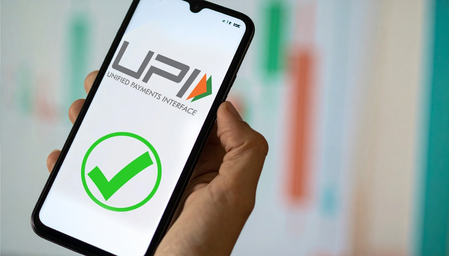
India’s unified payments interface (UPI) now dominates global real-time payment transactions, constituting almost 49% of the total volume. This milestone coincides with the 11th anniversary of the Digital India initiative launched in 2015. The program has revolutionized India’s digital infrastructure, facilitating swift payments, enhancing public services, and fostering economic opportunities nationwide.
The shift from a cash-centric economy to a digital payment preference has been significant in India. UPI, introduced in 2016-17, facilitates instant person-to-person and person-to-merchant transactions across various banks through interoperable digital payment platforms. The government attributes the surge in digital payments to the synergy of banking infrastructure, Aadhaar-based digital identity, affordable internet access, expanding 5G and optical fiber connectivity, increased smartphone usage, and a user-friendly payment app ecosystem.
The government underscores that these elements have facilitated secure and seamless digital transactions across the country, extending digital payment accessibility from urban centers to remote rural regions while decreasing reliance on cash. India’s digital payment ecosystem is gaining global recognition, with Greece becoming the 10th country to adopt UPI services, enabling seamless digital payments for Indian travelers and businesses abroad.
Highlighting the broader impact of Digital India, the government emphasizes its role in enhancing public welfare programs through digital platforms. The Poshan Tracker, a component of Saksham Anganwadi and Mission Poshan 2.0 by the Ministry of Women and Child Development, has digitized nutrition service delivery nationwide. By May 2026, the platform had registered over 13.3 lakh Anganwadi workers serving 8.93 crore beneficiaries, including pregnant women, lactating mothers, children, and adolescent girls. Nearly 99.89% of beneficiaries have undergone Aadhaar verification, ensuring transparency and efficiency in service delivery.
The Poshan Tracker integrates Aadhaar authentication, geo-tagging, geo-fencing, and face recognition for ration distribution, maintaining a dynamic database monitoring nutrition indicators for more than 77 million children. This real-time tracking enables effective monitoring and data-informed policy decisions, enhancing the impact of public welfare initiatives.
