


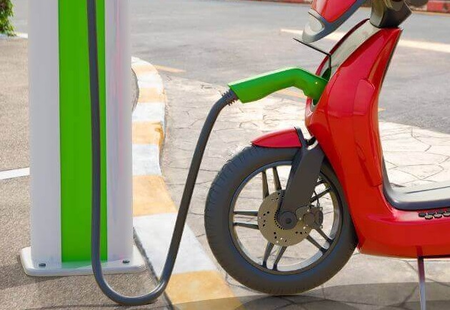
Industry leaders praised the approval of the Delhi Electric Vehicle (EV) Policy 2026, calling it a forward-looking initiative that can boost sustainable urban mobility and enhance investment, manufacturing, and innovation in India’s electric mobility sector. The PHDCCI, a leading industry chamber, expressed its commitment to collaborating with policymakers and stakeholders to ensure effective policy implementation. They aim to foster a competitive and sustainable electric mobility ecosystem that drives economic growth, industrial evolution, and environmental preservation.
Rajeev Juneja, President of PHDCCI, emphasized the policy’s significance in positioning clean mobility as a crucial factor for Delhi’s future economic progress and sustainable urban advancement. He highlighted that the policy’s clear guidelines are expected to enhance the investment environment, spur innovation in electric mobility technologies, promote local manufacturing, and generate employment opportunities within the EV industry. Additionally, at a national level, the policy aligns with India’s broader objective of bolstering globally competitive manufacturing through the Make in India campaign.
The Delhi EV Policy 2026 introduces various incentives for electric vehicles, including fiscal benefits, exemptions from road tax and registration charges for eligible vehicles, incentives for scrapping older vehicles, and a substantial expansion of charging infrastructure. Moreover, it outlines a phased transition towards electric mobility across different vehicle categories. The government has proposed an investment of approximately Rs 15,000 crore to support the development of the EV ecosystem during the policy period.
The policy’s scope extends beyond promoting electric vehicle adoption, with the potential to attract investments in diverse sectors such as battery manufacturing, charging infrastructure, renewable energy integration, power distribution, electronics, automotive components, software solutions, fleet management, financing, recycling, and circular economy services. The Delhi EV Policy 2.0, spanning until 2030, introduces ambitious subsidies, scrappage benefits, and stringent mandates to encourage eco-friendly transportation practices.
Noteworthy incentives under the policy include a 100% waiver on road tax and registration fees for EVs priced up to Rs 30 lakh, incentives of up to Rs 30,000 for electric two-wheelers and up to Rs 50,000 for three-wheelers, and up to Rs 1 lakh incentive for scrapping old BS-IV or older cars. The policy also sets deadlines for vehicle registrations, prohibiting the registration of petrol motorcycles/scooters after March 31, 2028, and new CNG auto-rickshaws after the end of 2026.
Dr. Ranjeet Mehta, CEO and Secretary General of PHDCCI, highlighted the anticipated rise in demand for advanced technologies like batteries, power electronics, semiconductors, charging infrastructure, digital payment platforms, predictive maintenance applications, and energy management solutions as electric vehicle adoption gains momentum.
