


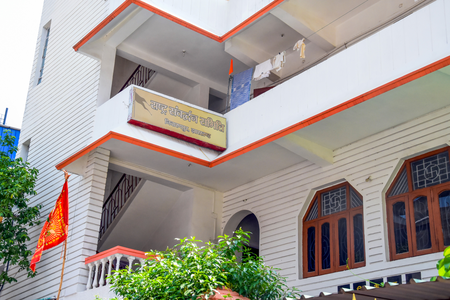
The investigation into the petrol bomb attack on the Rashtriya Swayamsevak Sangh (RSS) office in Ranchi, Jharkhand, is ongoing. Intelligence agencies are exploring various angles, including a potential external connection. Officials suggest that the incident might indicate a shift in tactics by Pakistan’s Inter-Services Intelligence (ISI) and its operatives in India.
According to Intelligence Bureau sources, recent dismantling of terror and espionage modules nationwide has put pressure on existing networks. This situation could lead to an increase in low-intensity attacks in the near future. These attacks, officials mention, require minimal planning and can target significant locations using petrol bombs without much expertise.
In previous cases, the ISI had planned major attacks through underworld-linked modules. However, recent arrests and module disruptions have thwarted these plans. In the Ranchi incident, investigators suspect a small module with potential ISI ties. One of the accused had spent time in Dubai and had contact with a handler known as Rana Sahib, who shared videos on making petrol bombs.
Officials speculate that the ISI might resort to smaller attacks temporarily due to disrupted networks. Recent dismantled modules were reportedly tasked with striking railway stations and military installations. The revised strategy may involve unconventional weapons like petrol bombs, which, despite being simple to make, can have a significant psychological impact on high-profile targets.
