


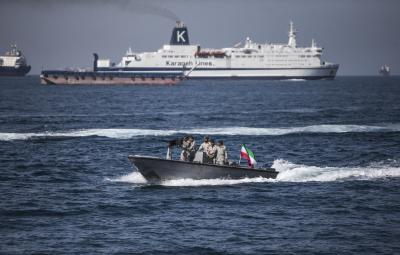
Traffic in the Strait of Hormuz has halted as Iran seized two ships, one destined for Kandla port in Gujarat, causing concerns over oil and gas transportation as a significant portion of global energy exports pass through this route. This situation has led to a rise in oil prices, with Brent crude trading above $103 per barrel.
India, heavily reliant on the Persian Gulf for LPG and crude imports, faces disruptions due to the strait’s closure. To mitigate this, the government is diversifying crude imports and boosting domestic LPG production. Some consumers are also turning to alternative fuels like natural gas, coal, and electric cooktops.
Iran’s chief negotiator, Mohammad Bagher Ghalibaf, expressed doubts about reopening the Strait of Hormuz due to alleged ceasefire violations by the US and Israel. Despite this, Iran’s President Masoud Pezeshkian remains open to negotiations but cites breaches of commitments, blockades, and threats as major obstacles.
Amid escalating tensions, the Indian-flagged crude oil tanker Desh Garima safely reached Mumbai with Indian crew members and a substantial cargo of crude oil. The vessel, escorted by the Indian Navy, navigated the strait successfully. Additionally, the Indian government refuted claims that the captain of the Indian Sanmar Herald paid a toll to cross the strait.
The Middle East crisis has triggered a surge in crude prices, prompting the Indian government to slash excise duty on petrol and diesel by ₹10 per litre to shield consumers from price hikes. Despite the turmoil, retail fuel outlets in India are functioning normally, and petrol prices have not increased.
US President Donald Trump extended the US-Iran ceasefire, which was set to expire, while the American naval blockade of Iranian ports persists. White House Press Secretary Karoline Leavitt clarified that the ceasefire extension is indefinite, emphasizing Trump’s satisfaction with the blockade. She indicated that Trump will determine the war’s conclusion based on US interests.
