


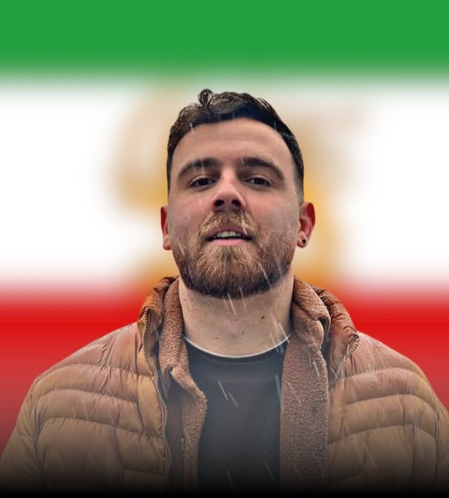
A 26-year-old Iranian protester, Erfan Soltani, who was detained during nationwide demonstrations against Supreme Leader Ayatollah Ali Khamenei, is set to be executed on Wednesday. Soltani faces charges of “Moharebeh,” or enmity against God, following his arrest on January 8 for participating in protests. This impending execution has raised international concerns about Iran’s use of capital punishment to quell dissent.
Soltani’s family faced uncertainty for days after his arrest as they were kept uninformed about his whereabouts. Upon contact by Iran’s security authorities, the family was not briefed on formal charges or a court hearing but was informed of Soltani’s death sentence. Despite being allowed a brief 10-minute meeting with Soltani, the family has been warned against speaking publicly about the case under threats of further arrests.
The swift issuance of Soltani’s execution order within a week of his arrest has drawn condemnation from global legal experts and human rights organizations. There are fears that Iran might be resorting to “field executions,” quick and unjust killings without proper legal procedures, to intimidate protesters and silence opposition voices. Soltani’s case is highlighted as a stark illustration of the regime’s increasingly severe response to dissent.
The ongoing protests, now in their 20th day, initially sparked over economic grievances have evolved into widespread challenges to the authority of the Supreme Leader. Unrest has spread across more than 280 locations in Iran, leading to a harsh crackdown by authorities. Reports indicate over 2,000 deaths and around 20,000 arrests, with internet services being cut off for over five days, severely limiting external communication.
Authorities have allegedly disrupted attempts by Iranians to access the internet using Starlink satellite services by jamming signals with military-grade equipment. Additionally, militias have been deployed to confiscate terminals, raid rooftops, and punish users trying to bypass restrictions. The situation reflects a broader pattern of escalating tensions between protesters and the Iranian government.
