


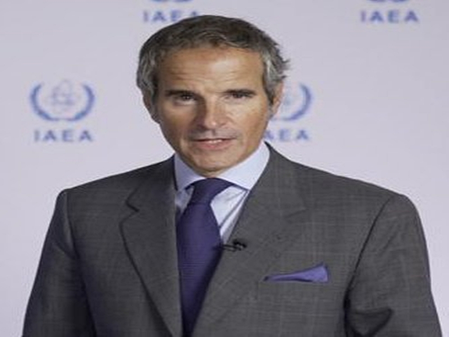
Despite significant military strikes on Iran’s nuclear infrastructure, key risks persist, such as enriched uranium stockpiles and Iran’s ability to reconstruct its nuclear program, as per the International Atomic Energy Agency (IAEA). The IAEA Director-General, Rafael Grossi, acknowledged that while the conflict has set back Iran’s nuclear program, critical elements will endure. Notably, Iran’s stockpile of uranium enriched to 60 per cent remains a major concern, buried under debris from the attacks.
Grossi highlighted that certain infrastructure and equipment may still be operational, awaiting verification by inspectors once access is granted. He emphasized that the technical knowledge acquired by Iran cannot be erased through military actions, indicating the country’s capacity to revive its nuclear capabilities. The advanced centrifuge technology possessed by Iran allows for the reconstruction of uranium enrichment processes, underscoring the nation’s expertise in this area.
The IAEA chief expressed lingering apprehensions, citing numerous unanswered questions and facts that require clarification. Grossi called for increased inspections and transparency to address these concerns, urging Iran to demonstrate cooperation and openness. Despite the ongoing conflict, there is no visible reconstruction activity at nuclear sites, with Grossi noting the survival of significant elements amid the military campaign.
Grossi stressed the importance of diplomatic efforts moving forward, advocating for a return to negotiations to address the unresolved issues surrounding Iran’s nuclear program. While confirming prior diplomatic discussions, Grossi revealed that no agreement was reached before the conflict escalated. Regarding proposals to eliminate enriched uranium through military means, Grossi cautioned about the challenges posed by handling highly contaminated uranium hexafluoride at 60 per cent concentration.
