


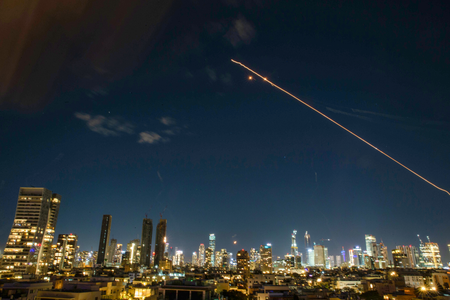
The killing of Iran’s Supreme Leader Khamenei in US-Israeli strikes has stirred unease in neighboring Pakistan, particularly on the economic front. Salman Bashir, former foreign secretary of Pakistan, expressed deep sorrow and concern over the escalating war, foreseeing potential lasting impacts on the Middle East and the global economy.
Violent protests erupted across Pakistan post the assassination, resulting in at least 25 fatalities and numerous injuries. Demonstrators clashed at the US Consulate General in Karachi and attempted to storm the facility. Similar incidents occurred at the US Consulate in Lahore, where police intervened to control the situation.
Pakistan’s Prime Minister Shehbaz Sharif extended condolences to Iran for the loss, condemning the breach of international norms by targeting heads of state. Analysts attribute the protests to widespread uncertainty following Khamenei’s demise, with concerns raised about the potential spillover effects on Pakistan due to escalating tensions in the region.
Khalid Taimur Akram, executive director of Pakistan Research Center for a Community with Shared Future, warned of severe repercussions on Pakistan from the escalating conflict in West Asia. The closure of the Strait of Hormuz could lead to increased fuel prices, impacting daily life and potentially affecting Pakistani workers in the region.
Shujaat Ahmed, an independent economic analyst, highlighted the short-term inflationary effects of Khamenei’s killing and emphasized that the long-term economic impact hinges on the conflict’s duration. Pakistan’s significant trade ties with Gulf countries could face disruptions, potentially causing global repercussions.
