


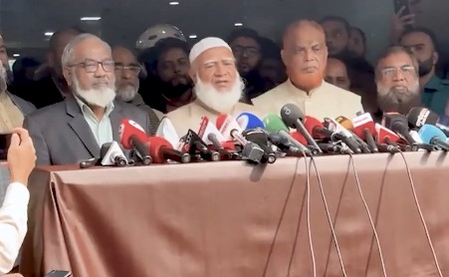
The Jamaat-e-Islami is intensifying efforts to secure a significant victory in the upcoming Bangladesh elections. With distinct strategies for urban and rural areas, the organization is targeting 163 constituencies where success seems promising based on internal surveys. The Jamaat and the Bangladesh Nationalist Party (BNP) are contesting the polls independently this time, having previously collaborated in elections and governance.
The Jamaat has strategically withdrawn its supporters from around 130 constituencies where winning seems unlikely, reallocating them to the 163 constituencies with higher prospects. Notably, the party is concentrating its efforts in Dhaka and approximately 20 surrounding constituencies, where surveys indicate strong potential for success. Additionally, the Jamaat has bolstered spending in its strongholds, leveraging its influence over the caretaker government led by Muhammad Yunus.
Capitalizing on its authority and financial resources, the Jamaat has increased election-related spending, allocating significant funds in constituencies with favorable chances. The organization has also initiated a data collection campaign, particularly targeting economically disadvantaged voters for outreach programs. In urban areas, the Jamaat’s women’s and student wings are actively engaging in door-to-door surveys and mobilization efforts to bolster support.
Internal assessments suggest that the Jamaat is optimistic about securing around 205 seats in the 350-member Jatiya Sangsad, Bangladesh’s parliament. This projection marks a significant shift, with the Jamaat gaining momentum over the BNP, which is facing internal discord and potential setbacks in seat allocation. Observers note a perceived understanding between the Jamaat and Muhammad Yunus, with potential implications for the country’s leadership in the event of an electoral victory.
