


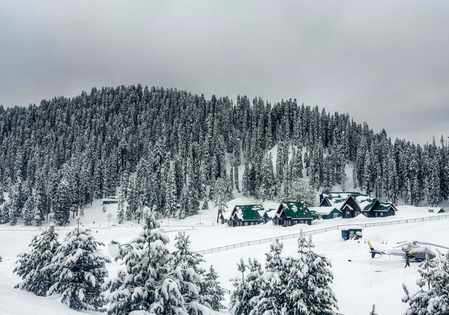
A closer examination of Jammu and Kashmir’s economy reveals a significant shift in its structural strength and resilience, moving beyond traditional indicators. The region has transitioned from dependency on public sector employment and tourism cycles to a phase of diversified growth and stability in the years 2024-2026. Improved security conditions and administrative normalisation have fostered an environment conducive to economic activities, enhancing stability and boosting confidence in both public and private investments.
Most notably, the economy of Jammu and Kashmir has evolved beyond mere recovery, now focusing on structural consolidation and diversified growth that surpasses conventional measures of output and income. The region’s response to challenges, such as a terrorist attack in Pahalgam in April 2025, demonstrated a shift towards long-term economic planning and resilience-building. This strategic approach has led to advancements in infrastructure, energy, tourism, and human capital development, marking a departure from short-term relief measures.
The Gross State Domestic Product (GSDP) of Jammu and Kashmir has been on an upward trajectory, surpassing its pre-2019 average growth rate. With a GSDP estimated at around Rs 2.65 lakh crore in FY 2024-25, the Union Territory now contributes significantly to India’s GDP. The growth is no longer solely driven by government consumption but is supported by capital expenditure, service-sector expansion, and sectoral diversification, leading to a rise in per capita income and economic benefits reaching various sectors.
The services sector has emerged as the primary driver of economic momentum in Jammu and Kashmir, constituting over 60% of the GSDP. Key areas such as tourism, trade, transport, communications, and public administration have played pivotal roles in this sectoral growth, with tourism witnessing a notable transformation towards stability and institutional support. The region’s focus on infrastructure development, eco-tourism, heritage conservation, and urban amenities has reduced seasonality in tourism, contributing to employment stability and regional branding.
