


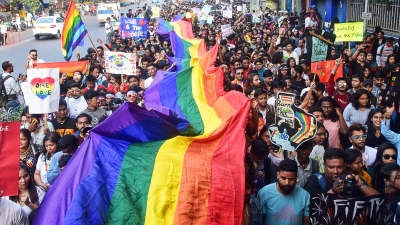
The Joint Action Committee on Transgender and LGBTIQ+ Rights in Kerala, along with national collectives and community organizations, has voiced strong opposition to the Transgender Persons (Protection of Rights) Amendment Bill, 2026. They criticize the bill as regressive, exclusionary, and unconstitutional. At the core of their concerns is the removal of the right to self-perceived gender identity, shifting authority to state-appointed medical boards, leading to invasive certification processes and bureaucratic hurdles. This move contradicts the principles of dignity, autonomy, and privacy upheld by the Supreme Court.
The Bill’s redefinition of “Transgender Person” to specific socio-cultural identities has sparked further criticism. This narrower definition excludes various gender identities like trans men, transmasculine persons, non-binary and genderqueer individuals, and trans women not falling within these categories. The lack of thorough study, credible data, or meaningful consultations with stakeholders, including the National Council for Transgender Persons, adds to the discontent. Additionally, concerns arise from the introduction of ambiguous penal provisions that could potentially be misused to target activists, healthcare providers, educators, families, and support systems.
Kerala, being the first state to implement a Transgender Policy in 2015, has been commended for its welfare initiatives benefiting transgender individuals. However, the Committee warns that the national restriction on identity recognition could jeopardize access to these welfare systems and reverse the progress made over the years. The repercussions of the Bill are already being felt within the LGBTIQ community, with reports from various states indicating heightened levels of anxiety, distress, and fear among individuals, leading to existential crises and increased risks of self-harm and suicidality.
In response to these concerns, the Joint Action Committee on Transgender and LGBTIQ+ Rights in Kerala has initiated actions at both state and national levels. Plans include organizing a state-level convention in Kerala to bring together transgender and gender-diverse individuals, community leaders, legal experts, mental health professionals, healthcare providers, and allies to strategize the next phase of advocacy. Moreover, a comprehensive legal consultation process is set to examine the constitutional challenges posed by the Amendment Bill and explore avenues for judicial intervention. The Committee emphasizes that the Bill’s implications go beyond legislative amendments, impacting the very existence and equality of transgender persons under the Constitution. They express worry that the Bill could regress India to a time of controlled, denied, and marginalized identities.
