


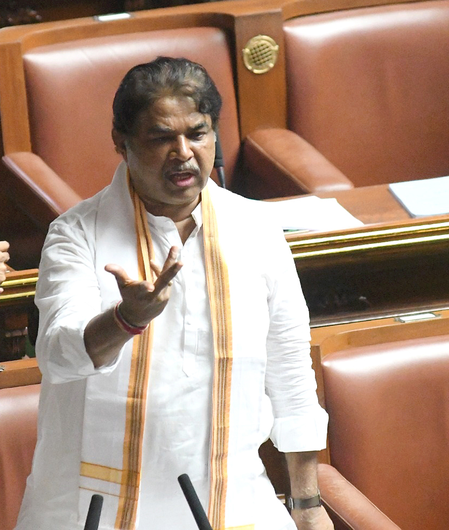
Criticizing the Opposition, the Karnataka Bharatiya Janata Party (BJP) expressed disappointment with Congress leaders for objecting to the ‘Nari Shakti Vandan Adhiniyam’ and delimitation issues. The Leader of the Opposition, R. Ashoka, highlighted the Congress leaders’ shift from initially welcoming the Bill to opposing it. He emphasized that the Constitution does not permit religion-based reservations, a stance supported by women nationwide.
BJP leader Ashoka also took aim at Tamil Nadu Chief Minister M. K. Stalin and criticized Congress leaders for advocating for religion-based reservation, which goes against the principles of the Constitution. He underscored the widespread support for the Bill among women across the country and emphasized the importance of maintaining delimitation based on population.
Ashoka further elaborated on the increase in Lok Sabha constituencies, stating that Karnataka would see an increase from 28 to 42 seats, with similar increments in Kerala and Tamil Nadu. Despite these positive changes, the Opposition’s resistance to the Bill was attributed to fears of Prime Minister Narendra Modi’s potential re-election. Ashoka accused the Opposition of prioritizing dynastic politics over national development.
The Union government’s efforts, led by Prime Minister Narendra Modi, to promote gender equality through women’s reservation were commended. The Nari Shakti Vandan Adhiniyam was hailed as a historic step towards ensuring women’s representation in legislative bodies. The BJP leaders congratulated PM Modi and Home Minister Amit Shah for their roles in this significant development.
Karnataka BJP General Secretary and MLA V. Sunil Kumar criticized Chief Minister Siddaramaiah and State Congress leaders for misleading the public on delimitation and women’s reservation issues. He highlighted Union Home Minister Amit Shah’s reassurance that the proposed changes would not weaken South India’s political representation. Sunil Kumar provided detailed statistics on the projected increase in Lok Sabha seats for various Southern states, emphasizing that no state would experience a reduction in representation.
