


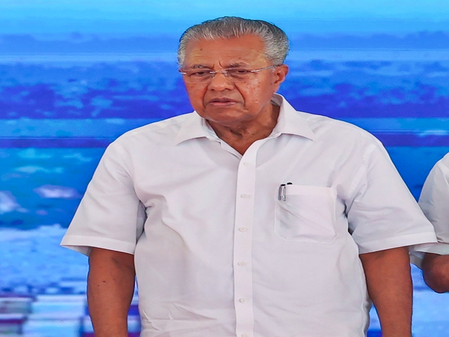
The Kerala Cabinet, led by Pinarayi Vijayan, has given initial approval for a 583-km Regional Rapid Transit System (RRTS) corridor connecting Thiruvananthapuram to Kasaragod. This move signals a renewed effort towards establishing a high-speed railway network across the state following setbacks faced by the SilverLine project. The state Cabinet has decided to express Kerala’s interest to the Centre formally and has authorized the state Transport Department to begin discussions with the Union government.
Describing high-speed transportation as a crucial component of the state’s development vision, the Cabinet highlighted the need for a time-efficient and environmentally sustainable railway system in Kerala due to its geography and high population density. The proposed RRTS aims to significantly reduce travel time, enhance inter-regional connectivity, and improve access to employment and education opportunities.
The decision to pursue the RRTS project comes after challenges encountered by the K-Rail (SilverLine) initiative, which faced technical objections from Indian Railways and public resistance in certain regions of the state. With railway approval pending for the detailed project report submitted by Kerala, the state Cabinet views RRTS as a more feasible option based on the success of the Delhi–Meerut RRTS corridor, known for its high speeds, passenger capacity, and efficient station spacing.
The RRTS corridor in Kerala will be designed to integrate with existing and planned metro systems like the Kochi Metro, as well as the proposed Thiruvananthapuram and Kozhikode Metro networks. This integration aims to enhance last-mile connectivity, reduce reliance on private vehicles, and establish a comprehensive multimodal transport network. The funding model for the project is inspired by the Delhi model, with a 20% state share, 20% Central share, and 60% long-term loans from international financial institutions, to be implemented gradually to alleviate financial burdens.
The project will be executed in phases, starting with Phase I, the Thiruvananthapuram–Thrissur Travancore Line spanning 284 km, set to commence construction in 2027 and conclude by 2033 in conjunction with the integration of Thiruvananthapuram Metro and Kochi Metro. Subsequent phases will extend the corridor to Kozhikode, Kannur, and Kasaragod, with potential future extensions to Coimbatore, Kanyakumari, and Mangaluru. The Kerala Cabinet envisions a phased but simultaneous implementation strategy to establish a comprehensive state-wide RRTS network within approximately 12 years.
