


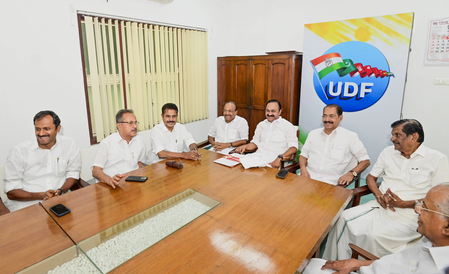
With V. D. Satheesan leading Kerala politics, the focus shifts to forming the cabinet, posing a complex task for both Satheesan and the Congress high command. Despite the Congress-led UDF’s strong win with 102 seats in the 140-member Assembly, the process of power sharing presents challenges. The party, with 63 legislators, faces constraints in accommodating its aspiring members due to the constitutional limit of 21 cabinet positions.
The cabinet formation in Kerala involves intricate considerations beyond seniority and performance, including regional representation, caste dynamics, religious balance, community influence, and factional interests. The competition for ministerial roles is fierce, with a long line of contenders ranging from senior veterans to ambitious younger leaders. As the party navigates these complexities, lobbying efforts intensify among aspirants reaching out to various influential groups for support.
The Congress leadership faces the immediate task of finalizing a power-sharing arrangement with UDF partners before determining the available ministerial positions for its members. The impending swearing-in ceremony on Monday adds urgency to the negotiations, as the party grapples with balancing aspirations and constraints within the coalition. As the political landscape buzzes with activity, the intricate process of cabinet formation unfolds, reflecting the intricate dynamics of Kerala’s coalition politics.
