


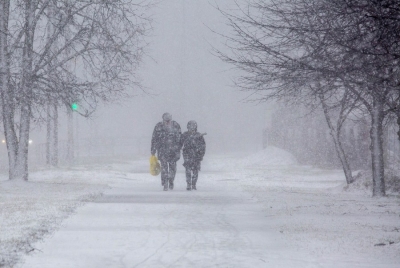
Latvia experienced its most intense cold snap in over a decade, with temperatures plunging to -32 degrees Celsius in Daugavpils, southeastern Latvia, marking the coldest weather in 12 years as reported by the Latvian Environment, Geology, and Meteorology Center. Across the country, temperatures ranged from -16 to -26 degrees, with the mildest weather at -7 degrees in Kolka, northwestern Latvia. In the capital city of Riga, temperatures dropped to -16 degrees early on Saturday morning.
Social media users shared stunning images of snow-covered landscapes, while winter sports enthusiasts flocked to Latvia’s ski slopes and public skating rinks. However, authorities cautioned about the health risks and potential hazards posed by the extreme cold.
The harsh winter conditions have led to challenges such as escalating heating bills and shortages of wood pellets in stores. The government is considering aid for vulnerable groups facing a 30 to 70 percent spike in heating costs from the cold December. Homeowners are struggling to find wood pellets due to insufficient supplies ordered before the season, according to Xinhua news agency.
Despite Prime Minister Evika Silina stating no energy crisis, Economics Minister Viktors Valainis is tasked with devising solutions to support the population during the severe winter. Emergency services have issued warnings about handling heating equipment cautiously and ensuring safety due to the risk of hypothermia and frostbite from prolonged exposure to sub-zero temperatures.
Meteorologists emphasized that while the recent cold snap is not unprecedented for Latvia at this time of year, such extreme temperatures have become less frequent due to global warming. Toms Bricis, a meteorologist, highlighted that -30 degree temperatures were more common in previous decades, with the last recorded instance below -30 degrees in 2021.
