


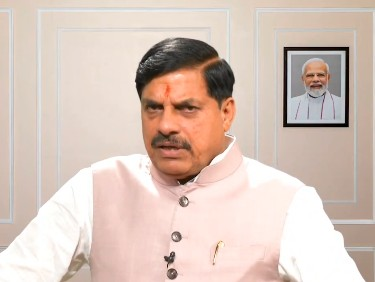
Madhya Pradesh Chief Minister Mohan Yadav has initiated a drive for administrative accountability by scheduling departmental reviews from May 8–10 and mandating District Development Committee meetings in all districts before May 12. During the reviews, Ministers and senior officials will present comprehensive reports on achievements, challenges, and future plans within their respective departments. Chief Minister Yadav emphasized the importance of ensuring effective governance for all citizens and stated that these evaluations will help assess progress and enhance implementation where necessary.
In a parallel effort to promote decentralized governance, Chief Minister Yadav has instructed Ministers in-charge to lead district-level meetings before May 12 to evaluate development projects, address local issues, and enhance coordination between departments and district administrations. District Collectors have been tasked with preparing detailed status notes focusing on various schemes such as health, education, rural roads, Jal Jeevan Mission, and Pradhan Mantri Awas Yojana. Additionally, capacity-building measures for newly appointed members of state corporations and boards have been highlighted, with Ministers directed to provide guidance and conduct a state-level orientation program to ensure clarity on roles and enhance efficiency.
The move comes as the BJP government led by Mohan Yadav approaches two-and-a-half years in office, aiming to strengthen its governance framework following a significant electoral victory. With a strong mandate, the BJP, which has been in power in Madhya Pradesh since 2003 (except for 18 months), won 163 out of 230 Assembly seats in the 2023 state elections, while the Congress secured 66 seats. Chief Minister Yadav, succeeding Shivraj Singh Chouhan, is focused on enhancing administrative mechanisms and fostering better coordination across governance levels to improve service delivery and address last-mile gaps. The upcoming reviews from May 8–10 will not only monitor expenditures but also track outcomes, emphasizing the importance of beneficiary data, asset creation, and service delivery timelines over financial utilization figures. Quarterly follow-up reviews are planned to ensure the effective implementation of decisions made during the initial meetings.
