


The Maharashtra government has introduced the Unmanned Systems Policy 2026–2031 to position the state as a global tech leader. This policy aims to make Maharashtra the “Capital of Unmanned Systems” by developing a comprehensive ecosystem covering Research and Development (R&D), manufacturing, innovation, and Maintenance, Repair, and Overhaul (MRO) activities. With an expected investment of Rs 25,000 crore dedicated to the unmanned systems sector, the government anticipates creating over one lakh direct and indirect jobs across various sectors.
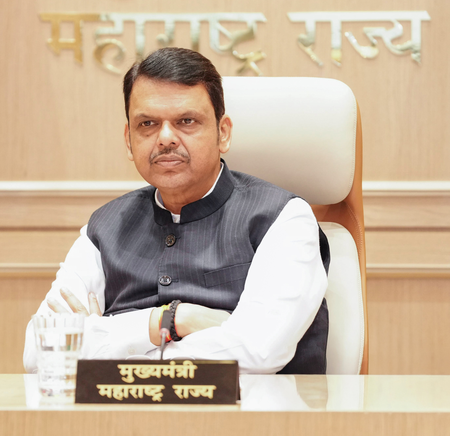
The state Cabinet, led by Chief Minister Devendra Fadnavis, has approved the Unmanned Systems Policy 2026–2031. Maharashtra plans to establish a fully integrated ecosystem supporting air, surface, and marine unmanned vehicles. Over the next five years, the policy sets ambitious targets, including creating specialized manufacturing clusters, setting up three Centers of Excellence (CoEs), training at least 5,000 Remote Pilots, and launching the “Maharashtra Unmanned Systems Mission” to oversee operations and boost domestic Intellectual Property (IP) creation.
To ensure effective implementation, the state has outlined five foundational pillars in its roadmap, covering research, innovation, testing, certification, infrastructure, manufacturing, skill development, governance, and market creation. The policy, led by the Department of Electronics, Information Technology, and Artificial Intelligence, aims to develop unmanned systems across various sectors, such as air, surface, water, and land-based operations, going beyond conventional aerial drones.
The policy framework includes Unmanned Aerial Vehicles (UAVs), autonomous marine surface and underwater vehicles, and ground-based robotic systems. These systems are intended to transform agriculture, enhance urban transport with automated signaling, and handle high-risk operations in hazardous environments. By integrating drones and robotics into agriculture, the government aims to improve precision farming, crop monitoring, and spraying operations, reducing risks and costs for farmers.
Prior to the policy’s approval, industry stakeholders highlighted challenges like the absence of dedicated in-state testing zones and regulatory uncertainties regarding “red zones” in the Mumbai Metropolitan Region (MMR). To address these issues and retain businesses, the policy proposes establishing state-of-the-art testing infrastructure and a dedicated Unmanned Systems Corporation to attract investments and support Remote Pilot Training Organisations (RPTOs).
