


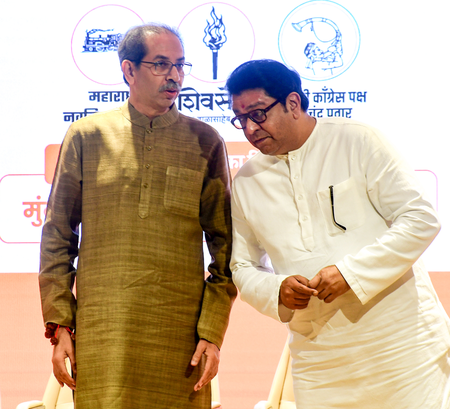
The Maharashtra Navnirman Sena (MNS), led by Raj Thackeray, has encountered a significant electoral setback in the municipal corporation elections. Despite an extensive “Thackeray Reunion” campaign and a strategic alliance with the Shiv Sena (UBT), the party has struggled to make a notable impact statewide.
The MNS has found it challenging to maintain its influence in urban areas that were once its strongholds, with defeats or a lack of substantial presence in 22 out of 29 municipal corporations that were contested. In the crucial Brihanmumbai Municipal Corporation (BMC), the party has fallen short of reaching double digits, securing only a few seats compared to previous benchmarks.
Analysts attribute the party’s performance to the unsuccessful transfer of votes despite the tactical alliance between the Thackeray brothers, Uddhav and Raj. While there was some consolidation of the Marathi vote in certain wards, it was insufficient to counter the Mahayuti (BJP–Shinde Sena) wave. The MNS’s lackluster showing extends beyond Mumbai to key cities like Pune, Nashik, and Thane.
In Nashik, where the MNS previously held the Mayor’s post, the party has been marginalized, with most seats divided between the BJP and the Shiv Sena (Shinde faction). This outcome raises doubts about the future direction of the MNS, as its traditional platforms seem to have been embraced by the two Shiv Sena factions and the BJP.
The party, out of power in major civic bodies for a decade, faced significant hurdles in matching the vigorous campaigns of the ruling Mahayuti alliance. While Raj Thackeray is yet to comment officially on the final results, party insiders hint at a probable “deep internal review.”
Senior MNS leaders have indicated a potential legal challenge concerning the “marker pen” controversy, alleging compromises in the voting process in several closely contested wards.
