


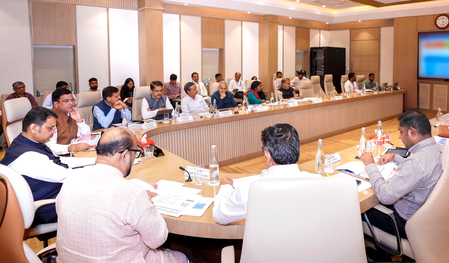
Chief Minister Devendra Fadnavis of Maharashtra has instructed the transition of all rural water supply schemes in the state to solar energy. This decision comes as a response to the increasing outstanding electricity bills faced by operational water supply schemes. Fadnavis emphasized the need for a comprehensive solar energy policy to be developed by the Maharashtra Energy Development Agency, considering factors like water sources, beneficiary numbers, pump capacities, and electricity requirements.
To ensure uninterrupted water supply, Fadnavis stressed that no scheme should be halted due to unpaid electricity bills. He also highlighted the importance of adhering to the Central Government norm of providing 55 liters of water per person per day. Additionally, he directed the establishment of taluka-level units for the maintenance and repair of rural water supply schemes, involving Gram Panchayats in these efforts.
Furthermore, Fadnavis called for the creation of a panel of agencies at the taluka level for scheme maintenance and repair. These agencies, selected based on Gram Sabhas’ resolutions, aim to prevent the defunction of water supply schemes due to neglect. Fadnavis emphasized the need for sustainable water sources to avoid frequent identification of new sources, ensuring the continuity and efficiency of existing schemes.
In alignment with the Jal Jeevan Mission, Fadnavis directed the completion and verification of schemes with significant progress. Solar systems have been integrated into the estimates of numerous water supply schemes under this mission, with plans for solar systems in a substantial number of schemes across Maharashtra.
