


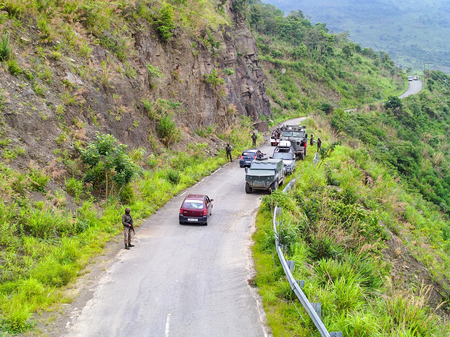
A significant revamp of intelligence operations is in progress for Jammu and Kashmir and the Northeastern states to address the rising use of drones by terrorist groups. National security experts advocate a mix of technology-based surveillance and human intelligence to combat terrorism effectively in these regions. Drawing from successful anti-Maoist strategies, similar approaches will be adopted to counter terrorism in Jammu and Kashmir and the Northeast.
Intelligence officials highlight the importance of strong human intelligence and community support in successful operations. Terror groups in these regions are employing a mix of human and technical surveillance methods, including the use of advanced drones for reconnaissance. The infiltration of drones carrying arms by groups like Lashkar-e-Taiba poses a significant challenge to security forces.
Security agencies are concerned about the evolving tactics of terror groups backed by entities like Pakistan’s Inter-Services Intelligence. The decline in actionable human intelligence and the growing use of drones are identified as key obstacles in counter-terrorism efforts. While technological advancements are crucial, ground-level human intelligence remains indispensable for effective security measures.
Efforts are underway to enhance engagement with local communities and prevent anti-India elements from exploiting vulnerabilities. Maintaining trust and cooperation with locals is deemed vital for successful intelligence gathering. Development initiatives in conflict-prone areas are also emphasized to mitigate unrest and discontent among the populace.
The upcoming period is considered critical as security agencies brace for heightened terrorist activities in Jammu and Kashmir and the Northeast. The focus remains on countering threats from Pakistan in Jammu and Kashmir and insurgent elements in the Northeast. Strengthening intelligence gathering and community partnerships are key strategies to thwart potential attacks and maintain regional security.
