


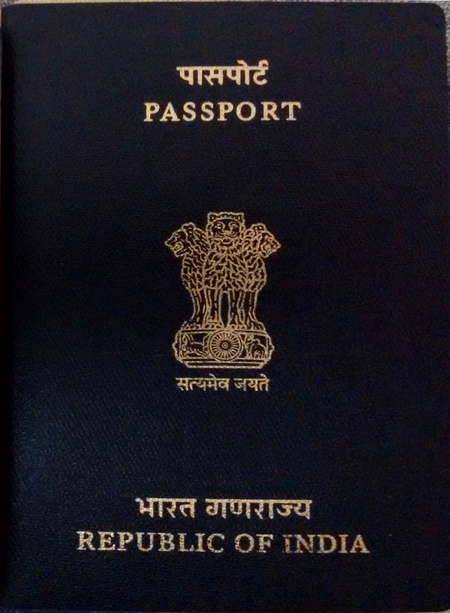
The Ministry of External Affairs emphasized that a passport does not serve as proof of citizenship, stating that this stance has been consistent since the enactment of the Passport Act. Emphasizing that a passport primarily functions as a travel document, the ministry highlighted that its legal status has remained unchanged over the years.
The controversy arose following remarks made by an MEA official during a Passport Seva Divas event, sparking criticism from various quarters including opposition leaders and legal experts. Responding to the backlash, the ministry clarified that Indian law has never regarded a passport as definitive evidence of citizenship, citing a 2013 Bombay High Court ruling that underscored this distinction.
The legal intricacy stems from the interplay between the Passports Act of 1967 and the Citizenship Act of 1955. While a passport typically reflects the holder’s nationality, citizenship determinations are ultimately governed by the Citizenship Act. Notably, the Passports Act allows for exceptions where passports can be issued to non-citizens in specific circumstances, underscoring the nuanced relationship between citizenship and travel documentation.
Political figures and commentators have weighed in on the issue, with questions raised about the implications of not recognizing passports as conclusive proof of citizenship. The government’s position underscores the need to adjudicate citizenship disputes in accordance with the Citizenship Act, emphasizing the legal framework for establishing nationality beyond the possession of a passport.
