


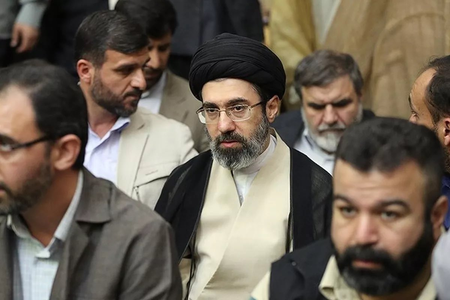
Mojtaba Khamenei, the son of the late Ayatollah Ali Khamenei, has been elected as Iran’s new Supreme Leader by the country’s Assembly of Experts. Aged 56, Mojtaba is the second-eldest son of Ali Khamenei and has long been considered a potential successor within Iran’s clerical hierarchy.
His appointment to this significant role is seen as politically sensitive, especially following his father’s recent death in US-Israeli strikes. The transition of power from father to son in a system historically critical of dynastic rule raises questions about adherence to Iran’s ideological principles.
Reports suggest that Mojtaba Khamenei’s selection was influenced by the Islamic Revolutionary Guard Corps (IRGC), which allegedly exerted pressure on the clerical body to support his leadership. As the Supreme Leader, Mojtaba will hold the highest position in Iran’s power structure, with authority over state affairs and the armed forces.
Mojtaba Khamenei, a mid-ranking cleric with ties to the IRGC, is known for his behind-the-scenes influence and management of the Office of the Supreme Leader. His close association with the Revolutionary Guard and his role as a power broker within Iran’s governance framework have solidified his position in the country’s political landscape.
