


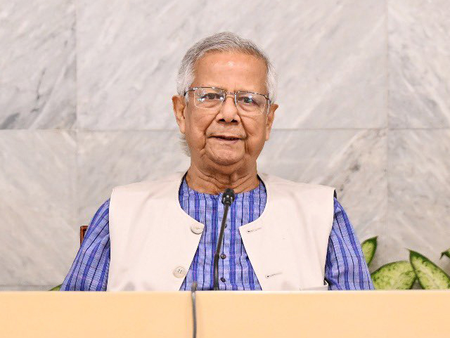
Muhammad Yunus faced accusations of being a foreign agent when he assumed the role of caretaker in Bangladesh. Despite criticism, his actions have favored Pakistan and China, raising concerns. Yunus has strategically aligned with foreign agencies to maintain power post-elections, evident in his decision to ban the Awami League.
The Awami League, now barred from elections, protests the ban as unjust. Tensions persist as their supporters clash with Jamaat-e-Islami and BNP members. Yunus has reportedly struck a deal with Jamaat-e-Islami, offering concessions for potential electoral gains, raising further political concerns.
Yunus, allegedly supported by the ISI, has facilitated the release of criminals and radicals, escalating violence in Bangladesh. Experts fear prolonged violence post-elections could lead Yunus to exploit emergency powers under Article 141A of the Constitution. The situation remains volatile, with potential implications for the country’s political stability.
Yunus’s maneuvers have sparked controversy, with concerns over his intentions to secure the presidency. The BNP’s potential rise to power poses a challenge to Yunus’s ambitions, hinting at a complex political landscape post-elections. The situation remains fluid, with uncertainties surrounding the future political landscape in Bangladesh.
